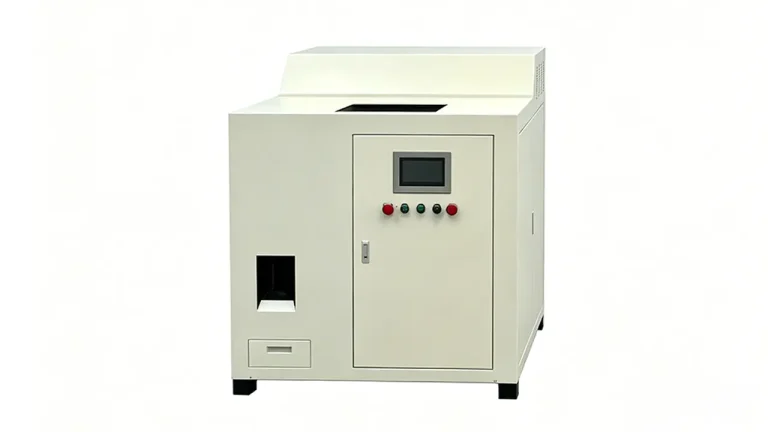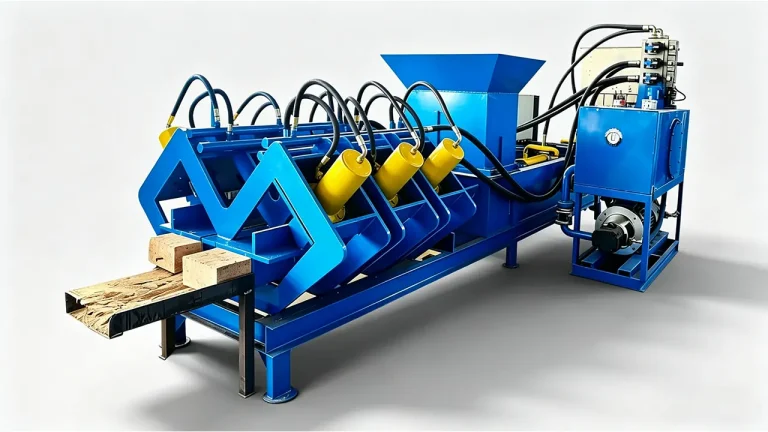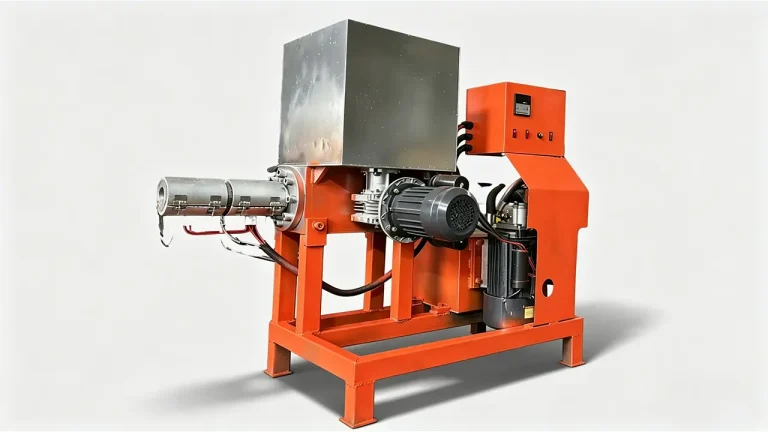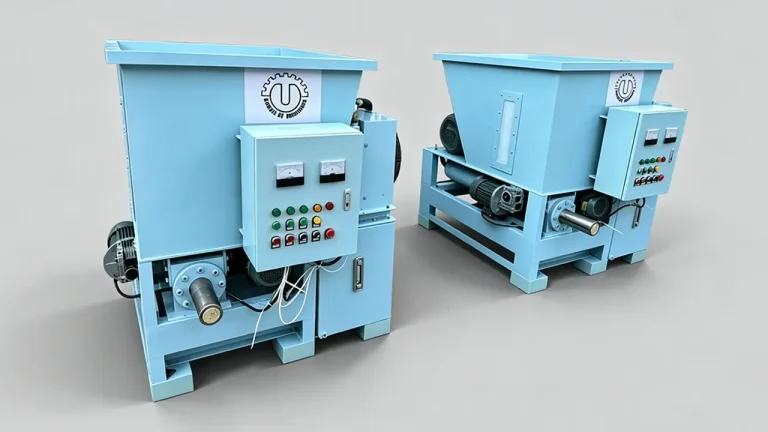
Our Products

UT Machinery, located in Gongyi City, Henan Province, China, has over 15 years of experience in manufacturing and R&D of metal briquette machines, biomass briquette machines, and related production lines. We specialize in designing, producing, and selling metal briquetting equipment, biomass briquetting equipment, single shredding and pressing machines, and providing complete production line solutions for efficient, intelligent, and eco-friendly manufacturing.

Stainless Steel Chips Briquetting Machine

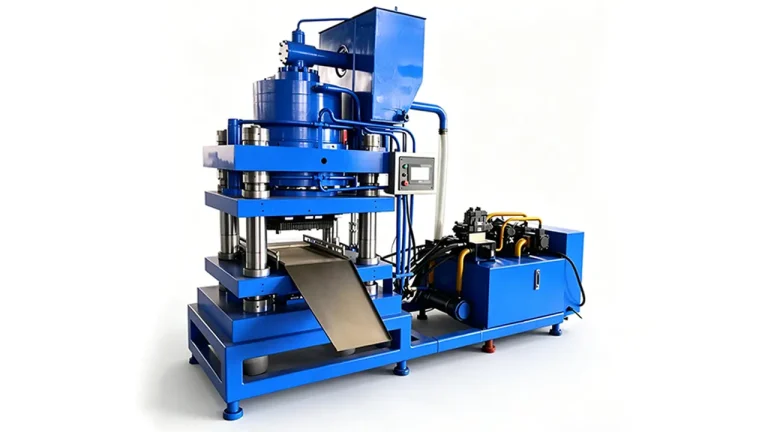
Turn Stainless Steel Waste into Profit with an Industrial Briquette Press Machine Stainless steel machining processes generate a large amount of chips, swarf, and turnings. These loose metal wastes are difficult to store, transport, and recycle efficiently due to their low density and high oil content. The Industrial Stainless Steel Chips Briquetting Machine is designed to solve this problem by converting loose metal scrap into compact, dense briquettes through high-pressure hydraulic compression. This process not only improves recycling efficiency but also significantly increases the economic value of scrap materials. Why Compress Stainless Steel Chips? Loose stainless steel chips create several industrial problems: High transportation cost due to low density Oil contamination and environmental issues Difficult furnace feeding and melting loss Large storage space requirement Low recycling efficiency After briquetting: Volume reduced by up to 80–90% Cutting oil can be partially recovered Improved furnace melting rate Cleaner and safer workshop environment Higher scrap resale value How the Machine Works(Hydraulic Briquetting Principle) The operating mechanism of our vertical four-column hydraulic briquetting machine is built for steady, automated cycle performance: Material Feeding: Loose stainless steel chips or pre-crushed swarf are introduced into the primary feeding hopper via an automated screw conveyor or manual loading system. Gravity-Assisted Volumetric Charging: Utilizing the natural physics of a vertical design, material falls consistently down into the dosing chamber, preventing the typical bridging or nesting issues found in horizontal push systems. Pre-Compression & Main Pressing: A hydraulic pre-charger seals the mold chamber before the main heavy-duty hydraulic cylinder descends vertically, exerting hundreds of tons of focused force to compress the metal fibers past their elastic limits. Fluid Extraction: As pressure peaks, trapped cutting oil flows out through specialized perimeter micro-slots in the mold block, entering an integrated filtration drainage tray for extraction. Automatic Puck Ejection: The mold base opens or shifts hydraulically, and the main ram pushes the finished, high-density briquette out onto the discharge chute, ready for storage or packaging. Key Features Heavy-duty hydraulic pressing system High compression ratio (up to 10:1 or higher) No binder required Suitable for stainless steel, carbon steel, aluminum chips Automatic or semi-automatic operation Oil recovery optional system Low maintenance industrial design Continuous production capability Loose Chips vs Briquettes ItemLoose Stainless ChipsBriquetted ChipsDensityVery low5–10x higherStorageOccupies large spaceCompact stackingTransportExpensiveCost-efficientFurnace efficiencyLow, burns lossHigh recovery rateOil contentWasteful leakageRecoverableHandlingDifficult & messyClean & easy Applicable Materials This machine is suitable for: Stainless steel chips & swarf Carbon steel turnings Aluminum chips Copper scrap chips Cast iron borings Mixed metal machining waste Industrial Applications Metal machining factories CNC processing workshops Automotive parts manufacturing Aerospace component production Steel recycling plants Foundries and smelting industries Metal scrap recycling centers Technical Specifications (Reference Model/Customizable) Model Series (UT-Vertical)UT-SBP-150UT-SBP-315UT-SBP-500Nominal Pressing Force1500 kN (150 Tons)3150 kN (315 Tons)5000 kN (500 Tons)Briquette Diameter (Puck Size)Φ 70 mm - Φ 90 mmΦ 100 mm - Φ 120 mmΦ 130 mm - Φ 160 mmProduction Hourly Capacity300 - 500 kg/h700 - 1200 kg/h1500 - 2500 kg/hMain Electric Motor Power15 kW30 kW55 kWHydraulic System Pressure25 MPa28 MPa31.5 MPaOverall Machine WeightApprox. 4,500 kgApprox. 7,800 kgApprox. 13,500 kg Working Process Flow Raw Metal Chips→ Storage Hopper→ Feeding Conveyor→ Hydraulic Compression Chamber→ High Pressure Forming→ Briquette Ejection→ Collection / Packaging→ Furnace Recycling Contact With over 15 years of industrial machinery experience, UT Machinery specializes in metal recycling and briquetting solutions for global customers. If you need a customized solution for your metal recycling project, contact UT Machinery for technical support and quotation. FAQ Q1: Do I need binder material for briquetting?No. Hydraulic pressure alone forms solid briquettes. Q2: Can stainless steel chips with oil be processed?Yes, oil can be partially separated during pressing. Q3: What shape are the briquettes?Common shapes are cylindrical or rectangular blocks. Q4: Is it suitable for small workshops?Yes, we offer compact models for small-scale production. Q5: What is the lifespan of the machine?With proper maintenance, 8–15 years industrial usage is normal.
Brass Chips Briquetting Press

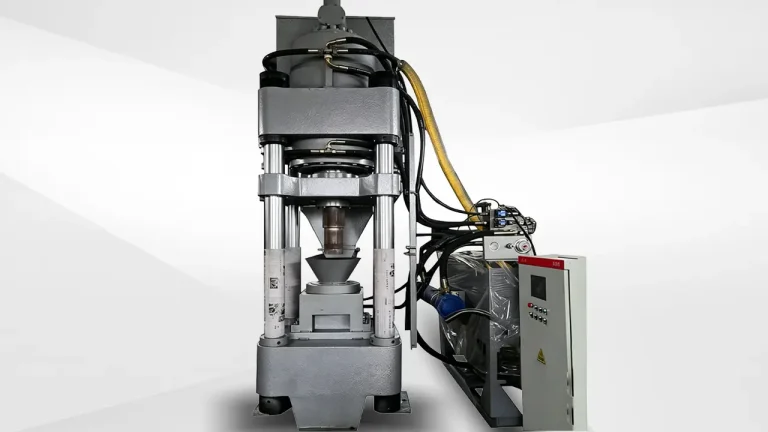
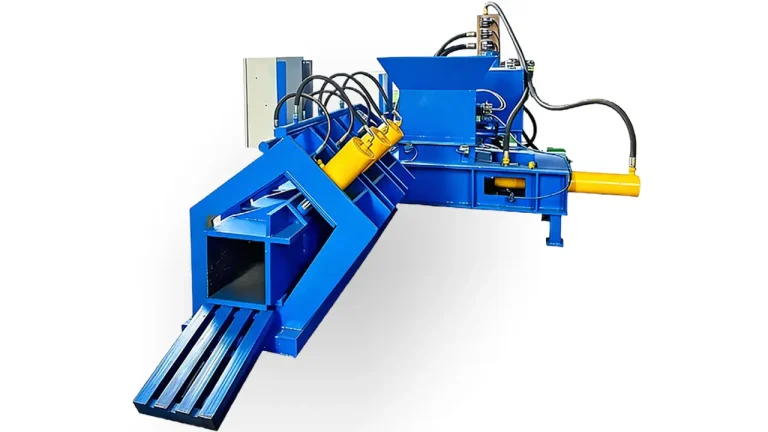
The Brass Chips Briquetting Machine is a high-pressure hydraulic system designed to compress loose brass turnings, shavings, and machining chips into dense, solid briquettes for efficient recycling and furnace charging. It is widely used in CNC machining workshops, brass component factories, valve manufacturing plants, and metal recycling facilities where brass scrap is generated daily. By converting loose and oily chips into compact blocks, the machine helps manufacturers reduce waste handling cost, improve melting efficiency, and significantly increase metal recovery rate. Why Brass Chips Need Briquetting? Brass chips generated from CNC machining are usually lightweight, oily, and difficult to manage. Without briquetting, factories face: ❌ High furnace oxidation loss (up to 20–30%)❌ Large storage space occupation❌ Coolant oil leakage and environmental issues❌ Low and unstable melting efficiency❌ Increased transportation cost After briquetting: ✔ Volume reduced by up to 90%✔ Stable furnace charging material✔ Higher metal recovery rate✔ Cleaner and safer workshop environment✔ Reusable cutting fluid recovery Vertical Hydraulic Design Advantage The machine adopts a vertical hydraulic compression structure, which is optimized for CNC workshop layouts. 1. Compact Floor Space Design The vertical structure allows installation in narrow workshop areas or beside CNC production lines. 2. Gravity Feeding System Brass chips naturally fall into the compression chamber, preventing material bridging or blockage. 3. Efficient Oil Drainage During compression, cutting fluid is squeezed downward into a recovery tank, improving oil reuse efficiency. 👉 The vertical structure is not just a design choice, but a space-saving industrial optimization solution for modern workshops. Working Principle The machine operates through a fully hydraulic automated cycle: Feeding System – Brass chips are loaded into the hopper Vertical Compression – Hydraulic ram applies 100–300 tons pressure Oil Separation – Cutting fluid is extracted during pressing Briquette Formation – Chips are compressed into high-density blocks Automatic Ejection – Finished briquettes are discharged for furnace use The entire process is controlled by a PLC automation system, ensuring stable pressure and continuous operation. Key Features & Advantages High-pressure hydraulic system (100–300 ton optional) Vertical compact industrial structure 95–98% cutting fluid recovery rate PLC automatic control system Continuous 24-hour operation capability No binder required for briquetting Heavy-duty wear-resistant mold design (Cr12MoV steel) Stable briquette density for direct furnace charging Application Industries This machine is suitable for: CNC machining workshops Brass valve manufacturing plants Electrical component factories Copper alloy recycling stations Automotive parts production Metal scrap processing centers Brass Chips vs Briquetted Chips ItemLoose Brass ChipsBriquetted Brass BlocksStorageBulky & messyCompact stackingFurnace LossHigh oxidationMinimal loss (<3%)Oil HandlingLeakage & waste95%+ recoveryTransportationExpensiveCost-savingMelting EfficiencyUnstableStable & efficient Technical Specifications (Reference Model / Customizable) ItemSpecificationMachine TypeVertical Hydraulic Briquetting PressHydraulic Pressure100–300 Tons (Customizable up to 500T)Briquette Density5.5 – 6.5 g/cm³Production Capacity300 – 2000 kg/hRaw Material Size< 10 mm brass chipsFluid Recovery Rate95% – 98%Control SystemPLC Automatic / Touch ScreenCooling SystemOptional Conclusion & Request a Quote Investing in a Vertical Brass Chips Briquetting Press is a high-return solution for modern precision manufacturing and metal recycling lines. It eliminates messy workshop scrap piles, drastically cuts furnace melt loss, and recaptures expensive fluids. Contact the UT Machinery engineering team today for factory-direct pricing, customized hopper configurations, and professional line layouts. Get a Factory-Direct Quote Now Frequently Asked Questions Q1: Can this machine handle long, tangled brass chips? Yes, but a chip crusher is recommended before briquetting for best performance. Q2: How much cutting fluid can be recovered? Up to 95–98% of coolant and oil can be extracted and reused. Q3: Does it require binding materials? No, high hydraulic pressure compresses brass chips without any binder. Q4: Is installation complicated? No. The machine is self-supported and only requires a flat concrete floor.

Coco Peat Briquette Machine

Automatic Coco Peat Briquette Machine for 5kg Export Block Production For coco peat exporters and horticultural substrate manufacturers, transportation cost, storage space, and labor efficiency are the key factors affecting profitability. Loose coco peat and coir pith occupy large volumes during storage and international transportation, resulting in higher container costs and lower loading efficiency. Meanwhile, traditional manual compression processes often create inconsistent block weights and require more operators. The UT Machinery Automatic Coco Peat Briquette Machine is designed to solve these challenges. By integrating heavy-duty hydraulic compression technology, pneumatic automation, and intelligent weighing control, this industrial coco peat block making machine converts loose coir pith into high-density 5kg export blocks with consistent quality and minimal operator involvement. The result is reduced logistics costs, improved production capacity, and reliable coco peat blocks suitable for international horticultural markets. Why Choose an Automatic Coco Peat Briquette Machine? Compared with manual or semi-automatic presses, the UT hydraulic coco peat briquette machine completes the entire production cycle automatically. After feeding prepared coco peat material into the hopper, the system performs: Automatic material feeding Precise weight measurement Hydraulic high-pressure compression Automatic block ejection Organized block stacking This closed-loop production process reduces labor requirements while maintaining stable output quality for large-scale commercial production. Key Commercial Benefits Standard 5kg Export Block Production The machine produces uniform 5kg coco peat blocks designed for international horticultural markets, including greenhouse growers, substrate suppliers, and agricultural distributors. Intelligent Auto-Weighing System The integrated weighing system uses precision load cells to measure material quantity before compression. This ensures consistent block weight, reduces material waste, and prevents customer disputes caused by weight variations. Powerful Hydraulic Compression Force The heavy-duty hydraulic system provides 100–150 tons of stable pressing force, creating dense and durable blocks that maintain structural integrity during transportation. Pneumatic-Assisted Automation The pneumatic system controls fast auxiliary movements such as feeding gates, block ejection, and positioning. By separating pressing force from automation movement, the machine achieves faster production cycles and improved reliability. Continuous Industrial Operation The PLC-controlled system supports continuous production with minimal operator intervention, making it suitable for large-scale coco peat processing plants. Applications of Coco Peat Briquette Machine The industrial coco peat briquette machine is widely used in: Coco peat export companies Coconut processing plants Coir pith processing factories Coconut fiber manufacturers Greenhouse substrate suppliers Hydroponic growing media producers Commercial horticultural material suppliers Suitable raw materials include: Coco peat powder Coir pith Washed coco peat Buffered coco peat Coconut fiber mixtures Grow bag substrate materials The compressed blocks are widely exported to: Europe North America Australia Middle East India Southeast Asia for greenhouse cultivation, hydroponics, nursery production, and commercial agriculture. How the Automatic Coco Peat Block Making Process Works Step 1: Automatic Material Feeding Prepared coco peat enters the feeding hopper through a conveyor system and is evenly transferred to the dosing chamber. Step 2: Intelligent Material Weighing The automatic weighing system accurately measures the required material quantity before compression. This ensures each block reaches the required weight specification. Step 3: Hydraulic Compression The hydraulic cylinder applies up to 150 tons of controlled pressure to compress loose coir pith into a dense and stable block. The controlled compression process protects fiber structure and maintains excellent expansion performance after hydration. Step 4: Pneumatic Block Ejection and Stacking The pneumatic auxiliary system quickly removes finished blocks and transfers them to the stacking area. This reduces cycle time and supports continuous production. Technical Specifications of Automatic Coco Peat Block Making Machine Technical ParameterSpecificationStandard Block Weight5 kgWeight Adjustment Range4.8 – 5.2 kgOptional Block Sizes650g / 1kg / Custom SizesBlock Dimensions300 × 300 × 120–150 mmCompression SystemHeavy-Duty Hydraulic PressHydraulic Pressure100 – 150 TonsAutomation SystemPneumatic Assisted OperationWeighing SystemIntegrated Auto-Weighing Load CellControl SystemSiemens / Omron PLC Touch ScreenProduction Capacity80 – 120 Blocks/HourMoisture Requirement15% – 18%Mold MaterialHeat-Treated Alloy SteelOperation ModeFully Automatic Continuous Production Hydraulic + Pneumatic Design Advantages Traditional coco peat block machines often use hydraulic systems for all movements. Although hydraulic systems provide excellent compression force, repeated auxiliary actions such as feeding, opening gates, and block discharge can reduce production speed. UT Machinery separates these functions: Hydraulic System Responsible for: High-pressure compression Stable block density Strong structural formation Pneumatic System Responsible for: Fast material control Quick block ejection Smooth product positioning This optimized design provides: Faster production cycles Lower mechanical wear Reduced maintenance costs Higher production efficiency More stable long-term operation Consistent Block Quality for Global Coco Peat Markets For international coco peat trading, block weight consistency is extremely important. Underweight blocks may create customer complaints and commercial disputes, while overweight blocks increase raw material costs. The automatic weighing system continuously controls material quantity before compression, ensuring every block meets the required export specification. This helps manufacturers maintain stable quality and build long-term relationships with overseas buyers. Complete Coco Peat Processing Line Solution UT Machinery provides complete coco peat processing solutions from raw material preparation to finished export packaging. The complete production line can include: Fiber Separation Equipment Separates long coconut fibers from fine coir pith. Screening System Removes impurities and controls material size. Rotary Dryer Adjusts moisture content to the ideal 15%–18% range. Conveyor Feeding System Automatically transfers material between processing stages. Coco Peat Briquette Machine Compresses prepared material into high-density export blocks. Packaging and Palletizing System Creates ready-to-ship export pallets. With a complete turnkey solution, customers can achieve fully automated coco peat block production. UT Machinery – Professional Coco Peat Briquetting Equipment Manufacturer ✓ CE Compliant Equipment✓ Global Shipping Support✓ Technical Installation Assistance✓ Customized Mold Design✓ Turnkey Production Line Solutions✓ Factory Direct Supply & Spare Parts Support Request a Quote for Coco Peat Briquette Machine Looking for a reliable coco peat briquette machine manufacturer? Contact UT Machinery today for: Factory-direct pricing Customized machine configuration Complete coco peat production line design Global shipping support Installation and commissioning assistance Our engineering team will help you build an efficient and profitable coco peat block production system. Request a Quote for Coco Peat Briquette Machine Frequently Asked Questions What moisture content is suitable for coco peat briquetting? The recommended moisture content is 15%–18%. This range provides strong block stability while maintaining excellent expansion performance after adding water. How much can a 5kg coco peat block expand? Depending on raw material characteristics and compression conditions, a standard 5kg coco peat block can typically expand to approximately 60–75 liters after hydration. Can this machine produce 650g coco peat bricks? Yes. UT Machinery provides customized interchangeable molds for different market requirements, including 650g retail bricks, 1kg blocks, and other customized sizes. How many workers are required to operate the automatic machine? The fully automatic PLC-controlled system significantly reduces labor requirements. One operator can supervise the production process after material preparation and machine setup. What is the difference between a coco peat briquette machine and a manual press? A hydraulic automatic coco peat briquette machine provides higher compression force, accurate weight control, faster production speed, and consistent block quality compared with manual pressing equipment.

Steel Chips & Cast Iron Borings Briquette Machine

Turn Loose Metal Chips into High-Density Recyclable Briquettes. The standard configuration delivers a finished briquette diameter of 80 mm under powerful hydraulic compression. To meet diverse industrial material characteristics and production scales, the briquette diameter, pressing force, motor power, voltage, and control systems can all be fully customized. Suitable Raw Materials (Ferrous Metal Machining Waste) Whether generated from lathes, milling machines, drilling machines, or automated CNC machining centers, this equipment handles all industrial ferrous scraps seamlessly: Steel chips, turnings, and swarf Carbon steel shavings & Alloy steel chips Cast iron borings & iron chips CNC machining waste & Metal grinding scraps Oily metal chips after heavy machining 📌 Looking for Non-Ferrous Solutions? If your machine shop or recycling yard also processes valuable non-ferrous metals alongside steel, explore our high-efficiency [Aluminum Chips Briquetting Machine] and heavy-duty [Copper Scrap Briquette Press]. These specialized models feature custom cylinder molds and pressure settings tailored to lock in the premium scrap value of aluminum and copper. Engineering the Difference: One Machine, Two Targeted Materials Unlike generic low-tier balers, this hydraulic briquetting press features a tailored optimization framework designed to handle the distinct physical and mechanical properties of steel and iron scraps: 🔹 Segment A: For Fluffy & Springy Steel Turnings The Challenge: Long, tangled, bird-nest steel turnings have an incredibly low bulk density, taking up huge workshop space and making automated feeding nearly impossible. Our Solution: Driven by a heavy-duty hydraulic ram, the machine easily overcomes the physical tension and elasticity of steel. It compresses loose turnings into ultra-compact cylinders, reducing material volume by up to 1:10 for easier transportation and maximizing your scrap market value. 🔹 Segment B: For Granular & Powdery Cast Iron Borings The Challenge: Cast iron breaks down into fine, abrasive grains during machining. Low-tier presses suffer from severe powder leakage through mold clearances, resulting in brittle briquettes that crumble easily and cause massive burn loss (up to 40%) during melting. Our Solution: Features our proprietary Anti-Leakage High-Precision Die System. The tightly paired tolerances between the punch and the mold wall ensure that even fine, flour-like iron borings are trapped completely and cold-pressed into rock-solid bricks that sink straight to the bottom of the furnace, dramatically improving furnace melting efficiency. 🔄 Scale Up to Zero-Labor Automation: While this standalone press delivers exceptional compacting efficiency, it can also serve as the core engine of a continuous, high-volume processing system. Discover our turnkey [Automated Metal Briquetting Production Line] to see how we seamlessly integrate metal shredders, heavy-duty crushers, and enclosed conveyors to eliminate manual handling entirely. Technical Parameters & Customization Options Technical ParameterStandard SpecificationCustomization Range / OptionsNominal Force1000 kN (100 Tons)Up to 200 Tons based on material density needsBriquette Diameter80 mm60 mm - 120 mm (Fully customizable)Briquette ShapeCylindrical / Round BlockCustom geometric molds availableMain Motor Power5.5 kWUpgradeable based on cycle time requirementsIndustrial Voltage380V / 50Hz / 3-PhaseCustomized to local grid (220V–480V, 50/60Hz)Operation SystemPLC Automatic / Manual OverridesSiemens / Schneider component upgrades Turnkey Automation: Upgrade to a Fully Automated Production Line For heavy industrial workshops looking to eliminate manual handling entirely, this hydraulic briquette press is designed with modular compatibility. We can design and integrate a continuous, labor-free recycling line right into your workshop: 1. Pre-Crushing via Industrial Metal Shredder (Step 1: Size Reduction) Long, continuous "bird-nest" steel turnings are automatically fed into our heavy-duty Metal Shredder Machine. The dual-shaft shredding mechanism instantly reduces the long, tangled strands into uniform, short 10-20mm chips, preparing them for optimal, seamless compression. 2. Automated Material Transport via Conveyor Belt (Step 2: Continuous Feeding) The crushed metal fragments are collected and transported smoothly via an enclosed Cleated Belt Conveyor directly into the briquetting machine's oversized hopper. This fully enclosed design ensures zero material loss, prevents powder leakage, and avoids any shop-floor spillage. 3. High-Density Cold Briquetting (Step 3: Final Compacting) The heavy-duty hydraulic press compresses the short chips or iron powders into standard 80mm (or custom 60-120mm) high-density cylindrical briquettes. Simultaneously, the immense pressure squeezes out and recovers up to 85% of residual cutting oil or emulsion into an integrated collection tray for immediate reuse. Applications of the Steel Chips & Cast Iron Borings Briquette Machine The Steel and Cast Iron Chips Briquetting Machine is widely utilized in: CNC machining workshops and turning centers Automotive component manufacturers Steel fabrication and manufacturing plants Foundries and metal casting facilities Industrial scrap processing and metal recycling centers UT-QA Structural Integrity Note: All our hydraulic metal briquetting presses undergo rigorous under-load stress testing prior to export dispatch. This ensures the equipment delivers optimal performance, exceptional safety compliance, and maximum ROI in heavy industrial environments worldwide. 💡 Custom Engineering for Modern Factories: UT Machinery doesn't just sell equipment—we're dedicated to providing one-stop engineering solutions for manufacturing companies worldwide. Visit our comprehensive [Metal Recycling & BriquettingSolutions] to learn how our custom-engineering processing frameworks help automotive manufacturing plants, foundries, and CNC workshop chains minimize environmental compliance risks and maximize secondary resource recovery. Custom Solution Available Different materials require different compression conditions.We can customize briquette size, pressure, motor power, and full production line design based on your requirements. Contact us for a tailored Steel Chips & Cast Iron Borings Briquette Machine solution.

Wood Chips Briquette Press Machine

Industrial Dual-Output Wood Chips Briquette Press Machine for 650g Rectangular Bio-Fuel Bricks Our flagship Wood Chips Briquette Press Machine represents the next generation of industrial biomass waste conversion technology. Designed specifically for furniture manufacturers, sawmills, and biomass processing plants, this UT-Verified machine overcomes the limitations of traditional single-mold presses by employing a synchronized dual-channel hydraulic system, producing two uniform 650g bricks per stroke. This design doubles your hourly output—ranging from 220 to 450 bricks per hour (approx. 150–300 kg/h)—without requiring additional factory space or electrical resources. By applying high-pressure hydraulic compression, the press activates natural lignin in wood materials to bind sawdust, shavings, sanding dust, and biomass fibers into high-density, 650g rectangular eco-bricks. These standardized bricks (200×100×50 mm) are optimized for palletized shipping, retail presentation, and long-distance transport, ensuring durability and consistency for both commercial heating and consumer fireplace applications. Maximizing Capacity with Dual-Output Hydraulic Briquetting Technology Our industrial briquette press combines heavy-duty construction with energy-efficient hydraulics. All molds and compression chambers are crafted from heat-treated alloy steel, ensuring relentless durability under 24/7 heavy-load operation. The intelligent PLC touchscreen control system supports multiple languages, enabling real-time monitoring and fully automated operation, which significantly reduces labor overhead and prevents unplanned downtime. The machine’s zero-binder compression technology ensures 100% organic production, completely eliminating the need for chemical additives or glues.We recommend maintaining raw material moisture between 8–12% and a particle size under 10mm. Whether processing fine sanding dust or coarse shavings, this press delivers a carbon-neutral, eco-friendly biomass fuel product ready for international export. Technical Specifications for 650g Wood Briquetting Line Engineering FeatureProfessional SpecificationOutput Capacity220 – 450 bricks/hour (approx. 150–300 kg/h)Brick Dimensions200 × 100 × 50 mm (Standard Brick)Brick Weight650g ±5% per unitCompression SystemDual-Channel (2 blocks per stroke)Material Moisture8% – 12% (Recommended)Control InterfaceIndustrial PLC SystemMold MaterialHeat-treated alloy steel for 24/7 durability Versatile Applications for Compressed Biomass Energy 01 Commercial Heating Fuel: High-density bricks ideal for industrial boilers and large-scale furnaces. 02 Retail Fuel Packs: Uniform, clean-to-handle bricks for consumer fireplaces and premium wood stoves. 03 Industrial Waste Management: Efficiently compress bulky sawdust or wood shavings into manageable, stackable blocks. 04 Eco-Friendly Energy Production: Fully organic, zero chemical additives, suitable for green energy markets worldwide. Why Professional Plants Choose UT Machinery’s Hydraulic Press Industrial-Grade Durability: UT-Verified construction is engineered to withstand high-intensity factory environments without compromising precision. Proven ROI: The dual-output design maximizes your production density while maintaining optimized energy consumption, effectively lowering the cost per ton. Logistics Optimization: Standardized brick size (200x100x50mm) ensures your product is compatible with global shipping standards and automated packaging lines. High-Pressure Press Structure Industrial Hydraulic Pumping Station Precision Molds and Reinforced Base Consult with UT Machinery for Custom Biomass Production Solutions UT Machinery offers custom configurations tailored to your specific material type, production capacity, and factory setup. Contact our engineering team today to optimize your biomass production line and turn wood waste into a profitable, sustainable energy product. Get a Free Quote Now

Piston Stamping Sawdust Briquette Press Machine

Transform Sawdust, MDF & Biomass into High-Density Fuel Logs for Small Workshops and Industrial Plants Managing mountains of sawdust, wood shavings, or biomass waste shouldn’t be a daily struggle. For small to medium-sized joineries, carpentry shops, farms, and timber workshops, waste disposal is often costly and inefficient.UT Machinery has designed the Piston Stamping Briquette Press Machine, a compact, single-phase, and economical solution that turns wood waste and biomass into high-quality briquettes without the need for additional binders. Unlike industrial-scale plants, our machine is built for practical shop needs: efficiency, simplicity, versatility, and minimal maintenance, powered by a piston stamping hydraulic ram that ensures dense and durable briquettes. Key Features & Benefits Compact & Economical: Specifically engineered for small workshops, joineries, farms, and mills. Its space-saving design fits perfectly into any workspace. Piston Stamping Hydraulic System: Uses a hydraulic ram-driven piston to compress sawdust, hardwood, softwood, MDF, OSB, and other biomass into solid 50mm briquettes. Unlike screw-type machines, there are no wear-and-tear parts—only an annual hydraulic oil change is required. Thermal-Binding Technology: The combination of piston stamping pressure and controlled heat activates natural lignin within the material, forming dense, eco-friendly logs without chemical binders. Maintenance-Free Operation: Minimal upkeep required; focus on production, not repairs. High Efficiency: Capable of processing 30–50 kg/hr (material dependent), converting your waste pile into revenue in real-time. Single-Phase Power: Designed for standard electrical supply, making it ideal for small workshops without industrial power upgrades. Versatile Material Handling: Handles softwood, hardwood, MDF, OSB, and biomass dust or shavings with adjustable pressure and heat settings. Technical Specifications To ensure the highest production efficiency and consistency, every UT Machinery Piston Stamping Briquette Press Machine is built to rigorous industrial standards. Below are the core technical parameters for our compact 4kW model: FeatureTechnical SpecificationManufacturerUT MachineryBriquette Diameter50mm (Solid, High-Density Logs)Production Capacity30 – 50 kg/hr (Material Dependent)Hydraulic Motor Power4 kW (Single-Phase, Energy Efficient)Supported MaterialsSawdust, Shavings, MDF, OSB, BiomassMaintenance RequirementMinimal: Annual hydraulic oil change onlyQuality Standards12-Month UT-Verified Guarantee Complete Biomass Briquette Production Line At UT Machinery, we offer more than standalone machines—we provide turnkey briquette production line solutions tailored to your materials and production goals. Components include: Wood Crusher / Hammer Mill: Converts logs, branches, and sawdust into uniform particles for optimal briquetting. Sawdust Drying Systems: Flash dryers and rotary dryers reduce moisture to 8–12% for high-density pressing. Piston Stamping Briquette Press: Produces solid, dense 50mm briquettes ready for industrial or domestic use. Whether you need a single machine or a complete turnkey briquetting production line, UT Machinery delivers customized solutions to match your material type, capacity, and budget. Learn more about our full production line here. ROI & Applications Investing in a UT Machinery Piston Stamping Briquette Press isn’t just about cleaning up your workshop—it’s about creating a secondary revenue stream. These 50mm fuel logs are in high demand for: 01 Industrial Boilers: Consistent, high-heat energy for small-scale plants 02 Home Fireplaces: Eco-friendly, clean-burning alternative to traditional wood logs 03 Workshop Heating: Reduce your utility bills by converting waste into fuel UT Machinery’s binderless process and piston stamping technology ensure eco-friendly, high-density briquettes, giving small businesses a cost-effective solution for sustainable energy production. Get Your Custom Solution Today Transform your wood waste into sustainable energy with UT Machinery. Contact us today to get a free quote or customize your complete briquette production line. Frequently Asked Questions Q: Can it process dry MDF or OSB dust?A: Yes. The piston stamping system with adjustable pressure and heat activates natural lignin, effectively bonding dry fibers into dense briquettes. Q: Is the machine difficult to install?A: No. The compact, plug-and-play design requires only standard power connection and a hydraulic oil check—ready to operate immediately. Q: How often do I need to replace parts?A: One of the biggest advantages of this design is the lack of high-wear consumables. Unlike screw extruders, there are no parts needing frequent welding or replacement. Q: Can UT Machinery provide a complete production line?A: Yes. We offer turnkey biomass briquette production lines, including crushers, dryers, conveyors, and presses, tailored to your materials and production needs.

Biomass Briquette Press Machine

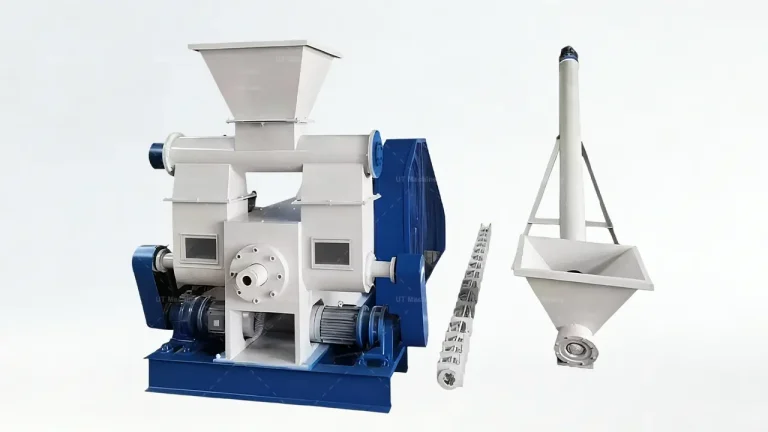
Industrial Biomass Briquette Machine for High-Efficiency Waste-to-Energy Transform industrial biomass waste into high-value fuel logs. Stop wasting space with loose shavings, sawdust, rice husks, straw, and other agricultural residues. UT Machinery’s Hydraulic Biomass Briquette Press Machine is engineered to produce high-density biomass briquettes that are eco-friendly, easy to transport, and suitable for industrial boilers, residential heating, and biomass fuel suppliers. Whether you are looking for a wood waste briquette machine, straw briquetting press, or a rice husk briquette press, this machine offers a reliable, customizable solution for converting biomass into marketable energy. Technical Specifications (Standard & Customizable) FeatureStandard SpecificationNotesBriquette Diameter60 mmIdeal for industrial & residential fuel applicationsProduction Capacity200 – 300 kg/hStable output for small-to-medium plantsHydraulic Motor Power7.5 kWHigh-efficiency industrial motorRaw Material Size< 3 mmOptimal for uniform briquette formationOptimal Moisture< 10%Ensures high-density briquettes without bindersFinal Briquette Density1.2 – 1.4 T/CBMSignificant volume reduction for transport Key Features & Technical Advantages Consistent 60mm Industrial Output: Produces uniform fuel logs with excellent structural integrity and high burning efficiency. Advanced Hydraulic Piston Technology: Steady, adjustable pressure ensures high-density biomass briquettes without chemical binders. Industrial-Grade Durability: 7.5 kW hydraulic motor for stable, 24/7 operation in demanding environments. Maintenance-Friendly Design: Reduced friction on wear parts extends mold life compared to traditional mechanical presses. Precision Pre-Processing Compatibility: Optimized for raw materials < 3 mm and moisture < 10% to maximize formation quality. Compatible with Complete Biomass Briquetting Line While this hydraulic press is a powerful stand-alone unit, it can also integrate into a complete biomass briquetting line for maximum efficiency. Optional components include: 01 Biomass Crushers: Ensure raw materials meet the optimal < 3 mm size for uniform briquetting. 02 Industrial Dryers: Rotary or chain dryers to maintain precise < 10% moisture levels. 03 Custom Conveyor Systems: Enable automated, high-output production for industrial biomass fuel production. This integration is ideal for those searching for a biomass briquetting line, eco-friendly fuel production, or industrial wood waste recycling solutions. Applications & Versatility Wood processing: sawdust, shavings, furniture waste (wood waste briquette machine) Agricultural residues: rice husks, straw, crop stalks (straw briquetting machine / rice husk briquette press) Industrial biomass recycling and eco-friendly fuel production Optional high-pressure mineral or metal powder briquetting Suitable for industrial waste-to-energy projects and biomass pellet alternatives Why Partner with UT Machinery? Direct Factory Support: Access technical expertise and factory-direct pricing — no middlemen. Global Installation Experience: Proven track record in South Korea, India, and other international markets. New, Non-Refurbished Equipment: All components are newly manufactured for longevity and high ROI. Customizable & Scalable: Machine parameters can be fully adjusted to match specific raw materials, briquette size, and production capacity. Professional Industrial Solution: Combines single hydraulic press efficiency with the option to integrate into a complete biomass briquetting line. UT Machinery’s Hydraulic Biomass Briquette Press Machine is your reliable, professional solution for converting biomass waste into high-density, eco-friendly fuel logs. Ready to transform your biomass waste into high-density fuel logs? Contact UT Machinery today to get a customized Hydraulic Biomass Briquette Press Machine and expert guidance for your biomass project. Our engineers will help you select the best machine configuration for your raw materials and production goals.

Industrial Drum Chipper Machine

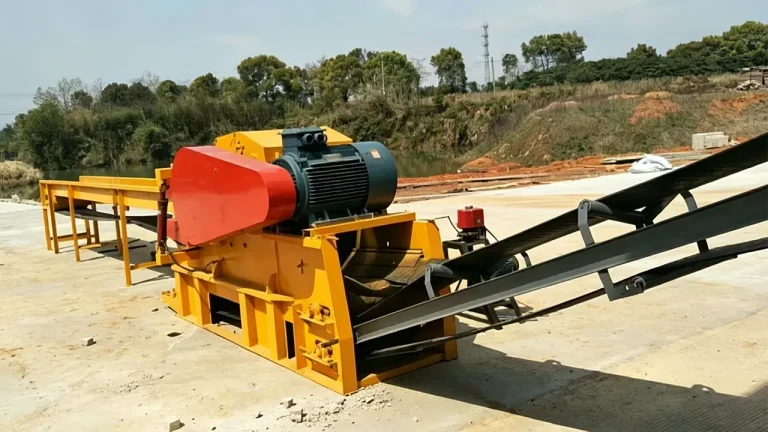
Industrial Drum Chipper Machine for Biomass Briquetting Lines Large-scale biomass briquetting plant requires a reliable and efficient first-stage size reduction process. UT Machinery designs and manufactures heavy-duty drum chipper machine engineered to process large-diameter logs, wood scraps, tree branches, and industrial pallets into uniform wood chips. Compared with conventional wood crushers, a dedicated drum chipper eliminates feeding bottlenecks caused by irregular raw materials and provides a stable, continuous material flow for downstream drying and fine grinding. The wood chips produced by a drum chipper are widely used as feedstock for biomass briquetting, wood pellet manufacturing, biomass boilers, and renewable energy applications. Consistent chip size, controlled moisture content, and uniform raw materials help improve processing efficiency and support the production of biomass fuels that meet internationally recognized quality requirements, such asISO 17225. Drum Chipper Machine Structural Design & Key Features 01 Heavy-Duty Hydraulic Feed and Chain Plate System Unlike standard gravity-fed or light-duty belt units, our wood drum chipper machines utilize a rugged chain plate infeed conveyor paired with a hydraulic upper feed roller. The teeth on the roller actively grip logs and irregular wood scrap, pulling them steadily into the cutting assembly without manual intervention or bridging. 02 Optimized Cutting Rotor & Knife System The heart of the machine is a precision-balanced steel drum rotor equipped with specialized fly-knives and stationary dead-knives (anvils). This design delivers a clean, shearing cut rather than a blunt impact, reducing overall power consumption per ton and ensuring high throughput even when processing dense hardwoods. 03 Direct Integration with Briquette Production Line We design these drum chippers as modular front-end components. Based on your plant’s footprint, we customize the discharge conveyor height and angle to feed directly into your rotary dryer or primary hammer mill buffer hopper, achieving an automated, continuous production workflow. How Does a Drum Chipper Machine Work? The drum chipper uses a continuous feeding and precision cutting process to achieve high-capacity wood size reduction. Typical workflow: Raw Logs & Wood Waste ↓ Chain Plate Conveyor Feeding ↓ Hydraulic Feed Roller Compression ↓ High-Speed Drum Rotor with Chipping Knives ↓ Uniform Wood Chips (30–50 mm) ↓ Rotary Dryer ↓ Hammer Mill ↓ Biomass Briquette Machine This automated workflow minimizes material blockage while ensuring a continuous supply of uniform chips for downstream processing. Drum Chipper Machine Build Specs & Engineering Data FeatureSpecification DetailsMachine Condition100% Brand New (UT Machinery Factory-Direct)Applicable MaterialsHardwood/Softwood Logs, Slab Waste, Tree Branches, Wooden Pallets, Veneer ScrapsFeeding MechanismMotorized Chain Plate Conveyor + Hydraulic Weighted Upper Feed RollerDrive SystemHigh-Efficiency Industrial Electric Motor / Heavy-Duty Diesel Engine OptionalOutput Chip Size30–50 mm (Regulated by built-in sizing screen)Control SystemPLC Automation Panel with Automated Reverse Jam Protection Drum Chipper vs. Wood Crusher FeatureDrum Wood ChipperWood CrusherPrimary FunctionProduces uniform wood chipsProduces smaller wood particlesSuitable MaterialsLogs, branches, palletsWood chips, offcuts, wasteProcessing MethodKnife shearingHammer crushingOutput Size30–50 mm5–20 mmTypical PositionFirst stageSecondary stagePower ConsumptionLowerHigher Factory Customization for International Projects Every biomass processing plant has distinct space and infrastructure requirements. We support your project with direct engineering integration: Workshop Layout Engineering: We adapt the conveyor configurations and physical layout based on your facility's CAD drawings to ensure smooth material handling. Electrical Configuration: Motors and control panels are wound and certified to match your local industrial power supply (such as 380V, 415V, or 440V at 50Hz/60Hz). Direct Technical Support: From initial foundation blueprints to remote commissioning guidance, you work directly with our factory engineering team. Contact UT Machinery today to get your exclusive customized solution. Frequently Asked Questions Q1: What is the difference between this wood drum chipper and a standard wood crusher? A1: A wood drum chipper uses precise shearing action via rotating knives to slice large logs and wood blocks into clean, flat chips (30-50mm), which is highly efficient for bulk primary reduction. A standard crusher or hammer mill relies on blunt hammers to shatter materials, which requires more power and is typically used for secondary fine grinding. Q2: Can the machine process wooden pallets that contain nails? A2: Yes, it can process standard industrial pallets. However, if your raw material consistently contains large amounts of scrap metal or heavy nails, we recommend installing a cross-belt magnetic separator on the discharge conveyor to protect downstream drying and briquetting equipment. Q3: How do we control and adjust the final output chip size? A3: The output size is primarily determined by two factors: the feeding speed of the hydraulic rollers relative to the rotor speed, and the mesh size of the built-in discharge screen located beneath the cutting drum. The screen ensures that oversized pieces are retained for re-chipping. Q4: What wear parts require regular maintenance? A4: The primary wear items are the chipping knives (fly-knives and counter-knives). These will require periodic sharpening depending on whether you are processing clean logs or dirty scrap wood. We supply complete maintenance kits and detailed guidelines for quick knife replacement to minimize downtime. Q5: What moisture content is recommended before chipping? Fresh wood with high moisture content can be chipped directly. However, if the chips are intended for biomass briquette or pellet production, they are typically dried to below 10–15% moisture before further grinding and densification.

Fully Automatic Metal Briquetting Line

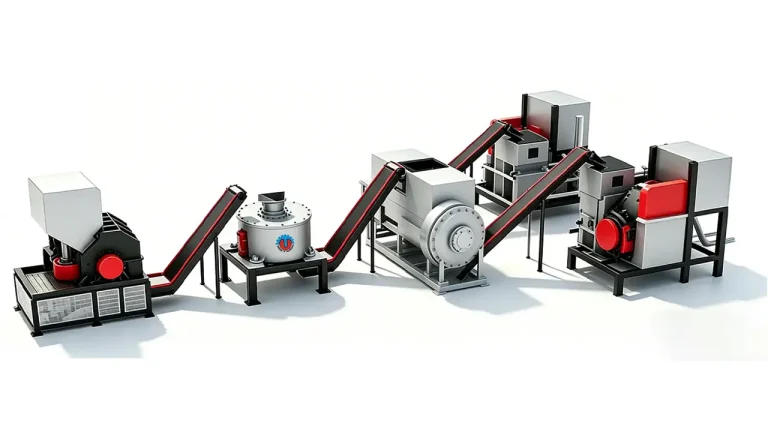
Overview: Optimize Your Scrap Metal Workflow UT Machinery’s fully automatic metal briquetting line is designed for CNC machining centers, metal recyclers, and industrial scrap facilities worldwide. Our integrated system synchronizes chip crushing, centrifugal deoiling, and high-pressure briquette pressing into a seamless production flow, delivering high ROI and operational efficiency. This line converts messy, oily metal chips into furnace-ready briquettes, while recovering valuable cutting fluids and reducing labor and handling costs. The 4-Stage UT Briquetting Process Stage 1: Heavy-Duty Chip Crushing Shears long, curly metal swarf into uniform 10–30 mm fragments. Reinforced alloy knife rollers prevent jams and maintain consistent feed for the press. Integrated tramp metal release protects blades from solid contaminants. Stage 2: High-Speed Centrifugal Deoiling Uses extreme G-force to remove residual oils and coolants. Produces clean, dry chips ready for immediate smelting. Ensures minimal smoke or oil leakage in the workshop. Stage 3: Smart Buffer Silo with Anti-Bridging System Mechanical arch-breaking device prevents bridging or clogging. PLC-monitored feeding guarantees smooth, continuous operation. Supports 24/7 automated production with minimal labor. Stage 4: High-Pressure Hydraulic Briquette Press Cold-presses metal particles into solid briquettes. Density: 6–8 t/m³ (material-dependent). Smelting Yield: Briquettes submerge instantly, reducing oxidation burn-off by up to 15%. Streamlines storage and logistics by compressing metal scrap efficiently. Key Advantages for Industrial Metal Recycling 01 Premium Scrap Value: High-density, dry briquettes fetch higher prices at smelters. 02 Cost Savings: Recover coolant, reduce transport volume, and lower labor requirements. 03 Environmental Compliance: Prevent oil leakage, support ESG and zero-waste initiatives. 04 Industrial Durability: Wear parts made from hardened alloy steel for long service life. Technical Specifications FeatureUT Machinery CapabilityCompatible MaterialsAluminum, Steel, Copper, Brass, Cast Iron, Titanium SwarfThroughput Capacity500 kg/h – 5,000 kg/h (customizable)Briquette DensityUp to 85% of solid metal densityOil Recovery Rate≥95%Control SystemSiemens/Schneider PLC with Multi-language HMI Why UT Machinery is Unique Integrated 4-Stage Process: Crushing, deoiling, buffering, and pressing into one high-efficiency workflow. Customizable Layout & Molds: Tailored to scrap type and production goals. Continuous, Automated Operation: Minimal downtime, optimized cycle times, stable briquette density. Durable Engineering: Critical wear parts made of hardened steel for industrial longevity. Increase ROI on your scrap metal Contact UT Machinery for a full-line consultation and layout plan. FAQ Q1: What types of metals can the UT Machinery Metal briquetting line process?A: Aluminum, steel, copper, brass, cast iron, and titanium swarf, suitable for CNC machining centers and industrial scrap facilities. Q2: What is the throughput capacity of the line?A: The system handles 500 kg/h up to 5,000 kg/h, depending on scrap type and custom configuration. Q3: How much oil can be recovered?A: Over 95% of cutting fluids and coolants are reclaimed during the centrifugal deoiling stage for immediate reuse. Q4: How dense are the briquettes?A: High-pressure hydraulic briquettes achieve 6–8 t/m³ depending on material, ready for smelting. Q5: Can the production line be customized for different scrap types or production goals?A: Yes. Our briquetting lines are fully flexible and tailored to your material type, particle size, and desired throughput. The standard configuration is a baseline — crusher type, deoiling capacity, buffer silo design, press size, and production rate can all be adjusted to meet your operational needs.

Mechanical Stamping Briquette Press

Biomass Briquetting Solution for Large-Scale Fuel Production Looking to scale your biomass fuel production? Our Mechanical Stamping Briquette Machine is the industrial solution for high-capacity waste recycling. Unlike small-scale screw extruders, this heavy-duty piston press operates 24/7, converting agricultural and forestry waste into high-density "green coal." 💡 Pro Tip: For raw materials with moisture >20%, our Rotary Drum Dryer is recommended before briquetting to ensure optimal bonding and high caloric value. Technical Specifications of The Mechanical Stamping Briquetting Press ParameterSpecificationNotesProduction Capacity1.0 – 1.5 Tons per Hour (TPH)Flexible range for different raw materialsMain Driving Power55kW – 75kWHigh-torque motor for continuous operationOperating Speed300 – 350 RPMOptimized for long-term mechanical durabilityOutput Diameter8mm – 70mmCustomizable molds for briquettes or pellets fuel Machine WeightApprox. 3,500kgHeavy-duty steel frame for maximum stability Mechanical vs. Hydraulic: Which Should You Choose? Selecting the right technology is crucial for your ROI. Mechanical Stamping is the "King of Speed," best for large-scale industrial fuel plants needing high volume at low cost.Hydraulic Presses are ideal for specialized high-density requirements or specific geometric shapes. Need high-volume industrial output? Stick with the Mechanical Stamping model. Need precision shapes? Check our Mechanical vs Hydraulic Briquette Machine Comparison Guide for a detailed 7-point breakdown. Why Professional Plants Prefer Mechanical Stamping Multi-Purpose Production: One machine, multiple products. By simply changing the mold, you can produce 8mm-10mm biomass pellets or 50mm-70mm fuel briquettes. Lower Consumable Costs: Stamping pins and dies are made from premium wear-resistant alloys. The maintenance interval is 3x longer than screw-type machines, drastically reducing your cost per ton. No Binder Required: High-pressure mechanical punching utilizes natural lignin in wood for 100% eco-friendly output. High Compression Ratio: Produces briquettes with density 0.8-1.3g/cm³, ideal for long-distance transport and industrial boiler combustion. Reliable Design for Global Export Vibration Control: The 3.5-ton reinforced frame minimizes mechanical fatigue and noise during high-speed punching. Precision Feeding: Automated Screw Conveyor ensures consistent material flow and prevents hopper blockages. Global Compatibility: Motors and electrical components are customizable to your local voltage (380V/415V/440V). Common Applications & Raw Materials Wood Waste: Sawdust, wood shavings, furniture factory offcuts Agro-Waste: Straw, rice husk, sunflower shells, corn stalks Industrial Waste: Paper pulp, RDF (Refuse Derived Fuel), and carbon powder Complete Biomass Production Line UT Machinery provides more than just a Mechanical Stamping Briquette Machine — we offer a complete turnkey biomass production line to transform raw waste into high-density, eco-friendly briquettes. Integrated Process: Size Reduction: [Hammer Mill / Crusher] to process wood chips or stalks Moisture Control: [Rotary Drum Dryer] for optimal 10-18% moisture Automated Conveying: Consistent feeding to ensure the press operates at peak TPH Briquette Pressing: High-pressure stamping for maximum density Whether you’re handling wood waste, agro-residues, or industrial by-products, our integrated production line ensures continuous, high-volume operation and reliable output. Ready to Optimize Your Production? Don’t just buy a machine — get a professional engineering solution. Contact us today for: Factory-Direct Pricing (No middlemen fees) Customized CAD Site Layouts Free Testing Video using your specific raw materials Contact Our Engineering Team Now Get a Free Quote via WhatsApp FAQ Q: What is the moisture requirement for raw materials?A: For best results, moisture should be 10%-18%. If the material is too wet, the briquettes will not bond; if too dry, they may crack. Q: Can this machine produce hexagonal briquettes?A: Yes! We provide customized molds for round, hexagonal, and square shapes to meet your local market demands.

Multifunctional Hammer Mill Wood Crusher

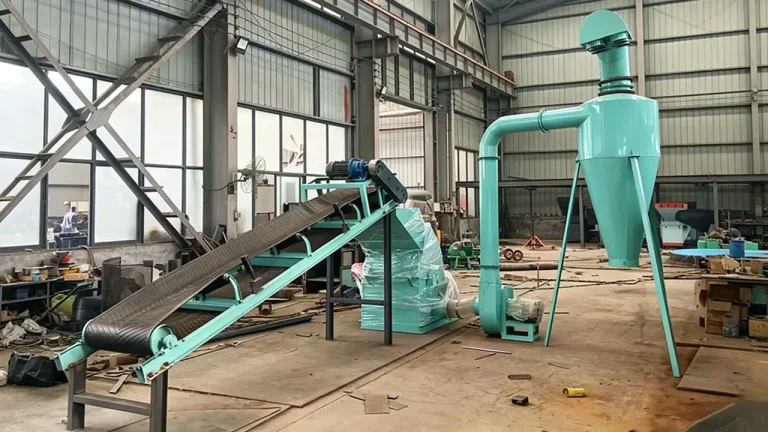
Overview Looking for a reliable wood crusher to prepare raw materials for biomass production? The UT Machinery Multifunctional Hammer Mill Wood Crusher is engineered to turn wood, branches, and agricultural residues into uniform sawdust or wood chips. Combining blade cutting with high-speed airflow impact, it not only crushes but also sorts micro materials in a single process, saving time and increasing efficiency. Unlike standard wood crushers, this machine accelerates material twice—through blade impact and high-speed airflow—ensuring consistent particle size for downstream applications such as briquette pressing or pellet making. Why Choose This Wood Crusher? Dual Crushing Technology: High-speed blades plus airflow collision doubles crushing efficiency and ensures finer output. Customizable Power Options: Operates with electric motors or diesel engines, adaptable to local voltages (220V/380V/415V/440V). Wide Material Compatibility: Handles wood, branches, bark, leaves, roots, peanut shells, corncobs, straw, wheat straw, and other biomass feedstock. Efficient Discharge System: Material passes through high-speed hammer blades and sieve holes, producing uniform sawdust ready for collection via the integrated cyclone. Micro Material Sorting: Unique airflow design accelerates micro-particles for double crushing, producing finer, more uniform sawdust than conventional crushers. Technical Specifications FeatureDetailsRaw MaterialsWood logs, scrap, branches, bark, peanut shells, corncobs, straw, wheat straw, other biomassOutput TypeSawdust or Wood Chips (Adjustable via screen mesh)Output Size3mm – 5mm (Standard for Briquetting) or CustomizablePower SourceElectric Motor or Diesel EngineVoltageCustomizable (e.g., 3-Phase, 380V, 50Hz/60Hz)System IncludesFeeding Conveyor, Crusher Host, Blower, & Cyclone Collector Key Benefits & Applications High Productivity & Low MaintenanceDual-impact mechanism reduces processing time significantly. Built with industrial-grade alloy steel, it supports 24/7 operation with minimal downtime. Versatile Biomass Recycling Sawdust Production: Perfect for animal bedding, fuel pellets, and biomass briquettes. Wood Chips Production: Ideal for landscaping, energy generation, or paper industry. Waste Management: Efficiently processes crop residues into reusable green energy materials. Eco-Friendly & ReliableConverts biomass waste into valuable raw materials while reducing environmental impact. Durable design ensures long-term reliability. Integrate with UT Machinery Production Line The Multifunctional Hammer Mill Wood Crusher is fully compatible with UT Machinery’s Biomass Briquette Production Line. By integrating this crusher as the front-end unit, you ensure uniform particle size, improved briquette density, and maximized production line efficiency. Learn more about our Biomass Briquette Production Line and see how this crusher fits seamlessly into a high-efficiency system.

Industrial Rotary Dryer

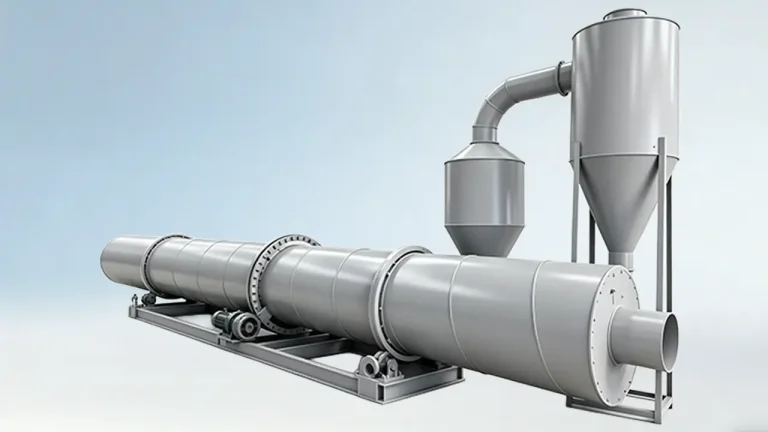
In the biomass energy industry, the quality of your final product depends entirely on the precision of your raw material preparation. The UT Machinery Biomass Rotary Dryer is engineered to transform high-moisture agricultural and forestry waste into ideal feedstock. With over 15 years of R&D and manufacturing expertise, we provide drying solutions that balance high thermal efficiency with mechanical reliability. Precision Moisture Control for High-Quality Briquettes The UT Machinery Rotary Dryer ensures uniform drying of diverse biomass materials, including wood chips, sawdust, straw, rice husks, bamboo powder, and peanut shells. Inconsistent moisture is the enemy of high-density briquettes. If the material is too wet, the briquettes will crack; if too dry, they won't bind. Our system guarantees every particle achieves the optimal 10% - 15% moisture level, creating the perfect conditions for extrusion and briquetting. Unique Technical Advantages of UT Machinery Our dryers are not just rotating drums; they are precision instruments optimized for low-density biomass. Dynamic Triple-Pass Internal Flighting Maximum Heat Transfer: Our proprietary internal lifting plates (shoveling plates) create a high-density "material curtain," ensuring every particle is exposed to hot air. Energy Efficiency: This optimized contact reduces fuel consumption by up to 20% compared to standard industrial dryers. Variable Frequency Drive (VFD) Control Adjustable Retention Time: Different materials require different drying speeds. Our VFD-controlled drum speed allows you to process everything from light, high-moisture straw to heavy wood shavings with the same machine. Reduced Material Loss: Prevents light biomass from being sucked out of the system before the target moisture level is reached. Safety-First Thermal Management Real-time Monitoring: High-sensitivity thermocouples monitor discharge air temperature constantly. Fire Prevention: Our system prevents charring and material ignition, enabling safe, 24/7 continuous industrial operation. Heavy-Duty Mechanical Integrity Refurbished Excellence: We focus on core components that matter. Our dryers feature reinforced synchronization pulleys, high-strength timing belts, and precision-aligned rollers. Low Maintenance: Built to minimize vibration and wear, ensuring your production line stays running with minimal downtime. Versatile Biomass Compatibility Our rotary dryers are the workhorses of the circular economy, effectively processing: Wood Residue: Sawdust, wood shavings, bark, and lumber waste. Crop Residue: Wheat straw, corn stalks, and peanut shells. Fibrous Materials: Bamboo dust, bagasse, and coconut coir. Seamless Integration with Complete Biomass Briquette Lines While the UT Machinery Rotary Dryer is a powerful standalone unit, its true value is unlocked when integrated into a complete biomass briquette production line. We design our drying systems to align perfectly with the intake capacity of our high-pressure briquette presses. By synchronizing the drying and briquetting stages, we help our clients: Eliminate bottlenecks between crushing and pressing. Reduce energy waste through optimized heat recovery. Achieve peak ROI with an automated, high-output ecosystem. Whether you are looking for a single machine or a turnkey factory layout, UT Machinery provides the technical support and export experience (serving markets from India to Europe) to ensure your success. Turn your biomass waste into valuable fuel. Contact UT Machinery for a Quote on our Rotary Dryers and Full Production Lines. Frequently Asked Questions Q1: What is the ideal moisture content for biomass briquetting? For most biomass materials like sawdust and straw, the ideal moisture content is between 10% and 15%. If the moisture is higher, the briquettes may crack or steam during extrusion. Our rotary dryer is designed to reduce moisture from 50% down to this optimal range in a single pass. Q2: Can the UT Machinery Rotary Dryer handle different types of biomass in one machine? Yes. Thanks to our Variable Frequency Drive (VFD) system, you can adjust the drum’s rotation speed and the residence time of the material. This allows the same machine to switch between light materials like rice husk and denser materials like wood chips effectively. Q3: How do you prevent the biomass from catching fire inside the dryer? Safety is our priority. We integrate real-time temperature sensors at the discharge end. By monitoring the air temperature and controlling the heat source (hot air furnace), we ensure the material stays below its ignition point while still achieving maximum drying efficiency. Q4: What heat sources can be used with the rotary dryer? Our drying systems are flexible. You can use biomass burners (using your own waste wood or pellets), coal, natural gas, or oil furnaces. For eco-friendly operations, we highly recommend our biomass-fired hot air furnaces. Q5: Do you provide the full production line layout? Absolutely. UT Machinery specializes in turnkey solutions. We can design the entire layout, ensuring the rotary dryer is perfectly synchronized with your crushers and briquette presses to prevent bottlenecks and maximize output.
Contact

GET AN EXPERT QUOTE

Share your raw material and capacity requirements — our engineering team will provide a tailored briquetting solution within 24 hours.