Metal Scrap Briquette Press

High-pressure hydraulic briquette press systems for industrial metal recycling. Effectively compress aluminum, copper, and steel scrap into solid briquettes to reduce volume and smelting loss. Our robust metal briquetting machines maximize your scrap value and optimize storage efficiency.

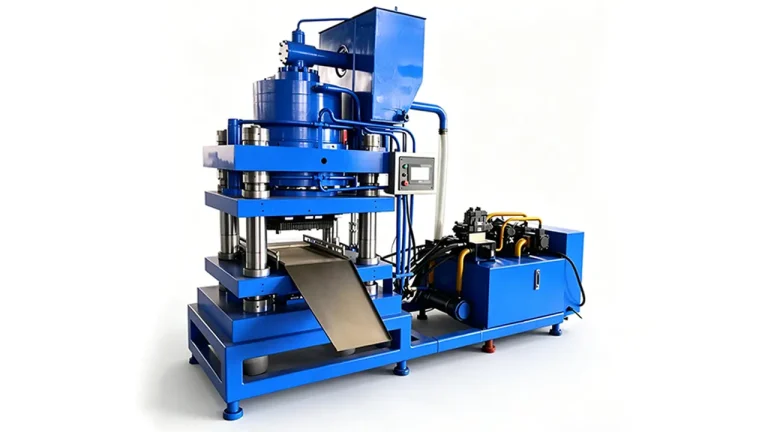
Stainless Steel Chips Briquetting Machine

Turn Stainless Steel Waste into Profit with an Industrial Briquette Press Machine Stainless steel machining processes generate a large amount of chips, swarf, and turnings. These loose metal wastes are difficult to store, transport, and recycle efficiently due to their low density and high oil content. The Industrial Stainless Steel Chips Briquetting Machine is designed to solve this problem by converting loose metal scrap into compact, dense briquettes through high-pressure hydraulic compression. This process not only improves recycling efficiency but also significantly increases the economic value of scrap materials. Why Compress Stainless Steel Chips? Loose stainless steel chips create several industrial problems: High transportation cost due to low density Oil contamination and environmental issues Difficult furnace feeding and melting loss Large storage space requirement Low recycling efficiency After briquetting: Volume reduced by up to 80–90% Cutting oil can be partially recovered Improved furnace melting rate Cleaner and safer workshop environment Higher scrap resale value How the Machine Works(Hydraulic Briquetting Principle) The operating mechanism of our vertical four-column hydraulic briquetting machine is built for steady, automated cycle performance: Material Feeding: Loose stainless steel chips or pre-crushed swarf are introduced into the primary feeding hopper via an automated screw conveyor or manual loading system. Gravity-Assisted Volumetric Charging: Utilizing the natural physics of a vertical design, material falls consistently down into the dosing chamber, preventing the typical bridging or nesting issues found in horizontal push systems. Pre-Compression & Main Pressing: A hydraulic pre-charger seals the mold chamber before the main heavy-duty hydraulic cylinder descends vertically, exerting hundreds of tons of focused force to compress the metal fibers past their elastic limits. Fluid Extraction: As pressure peaks, trapped cutting oil flows out through specialized perimeter micro-slots in the mold block, entering an integrated filtration drainage tray for extraction. Automatic Puck Ejection: The mold base opens or shifts hydraulically, and the main ram pushes the finished, high-density briquette out onto the discharge chute, ready for storage or packaging. Key Features Heavy-duty hydraulic pressing system High compression ratio (up to 10:1 or higher) No binder required Suitable for stainless steel, carbon steel, aluminum chips Automatic or semi-automatic operation Oil recovery optional system Low maintenance industrial design Continuous production capability Loose Chips vs Briquettes ItemLoose Stainless ChipsBriquetted ChipsDensityVery low5–10x higherStorageOccupies large spaceCompact stackingTransportExpensiveCost-efficientFurnace efficiencyLow, burns lossHigh recovery rateOil contentWasteful leakageRecoverableHandlingDifficult & messyClean & easy Applicable Materials This machine is suitable for: Stainless steel chips & swarf Carbon steel turnings Aluminum chips Copper scrap chips Cast iron borings Mixed metal machining waste Industrial Applications Metal machining factories CNC processing workshops Automotive parts manufacturing Aerospace component production Steel recycling plants Foundries and smelting industries Metal scrap recycling centers Technical Specifications (Reference Model/Customizable) Model Series (UT-Vertical)UT-SBP-150UT-SBP-315UT-SBP-500Nominal Pressing Force1500 kN (150 Tons)3150 kN (315 Tons)5000 kN (500 Tons)Briquette Diameter (Puck Size)Φ 70 mm - Φ 90 mmΦ 100 mm - Φ 120 mmΦ 130 mm - Φ 160 mmProduction Hourly Capacity300 - 500 kg/h700 - 1200 kg/h1500 - 2500 kg/hMain Electric Motor Power15 kW30 kW55 kWHydraulic System Pressure25 MPa28 MPa31.5 MPaOverall Machine WeightApprox. 4,500 kgApprox. 7,800 kgApprox. 13,500 kg Working Process Flow Raw Metal Chips→ Storage Hopper→ Feeding Conveyor→ Hydraulic Compression Chamber→ High Pressure Forming→ Briquette Ejection→ Collection / Packaging→ Furnace Recycling Contact With over 15 years of industrial machinery experience, UT Machinery specializes in metal recycling and briquetting solutions for global customers. If you need a customized solution for your metal recycling project, contact UT Machinery for technical support and quotation. FAQ Q1: Do I need binder material for briquetting?No. Hydraulic pressure alone forms solid briquettes. Q2: Can stainless steel chips with oil be processed?Yes, oil can be partially separated during pressing. Q3: What shape are the briquettes?Common shapes are cylindrical or rectangular blocks. Q4: Is it suitable for small workshops?Yes, we offer compact models for small-scale production. Q5: What is the lifespan of the machine?With proper maintenance, 8–15 years industrial usage is normal.
Brass Chips Briquetting Press

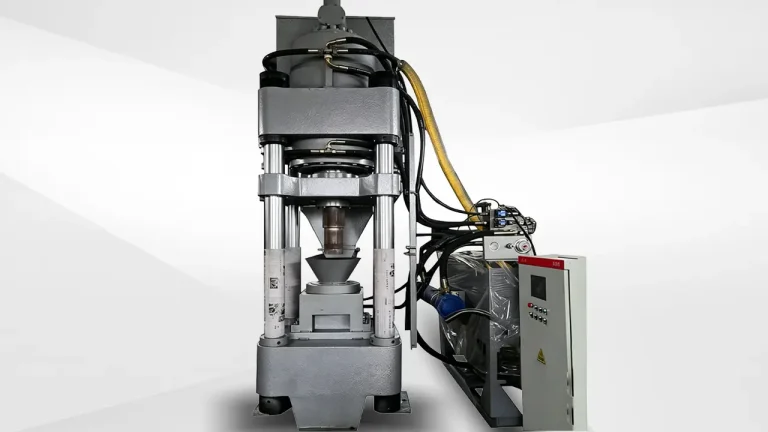
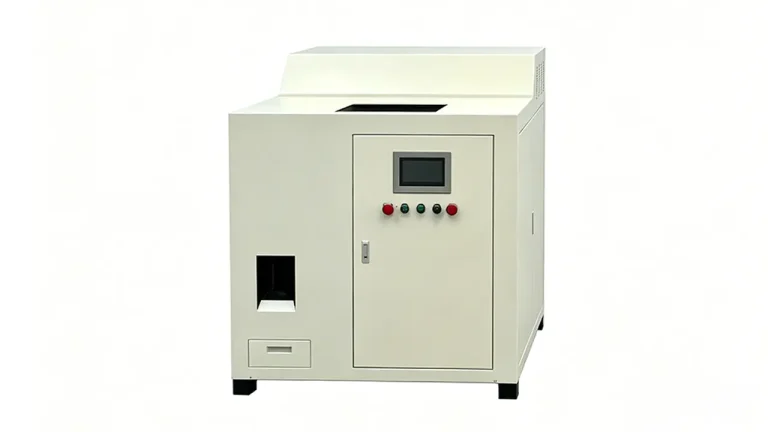
The Brass Chips Briquetting Machine is a high-pressure hydraulic system designed to compress loose brass turnings, shavings, and machining chips into dense, solid briquettes for efficient recycling and furnace charging. It is widely used in CNC machining workshops, brass component factories, valve manufacturing plants, and metal recycling facilities where brass scrap is generated daily. By converting loose and oily chips into compact blocks, the machine helps manufacturers reduce waste handling cost, improve melting efficiency, and significantly increase metal recovery rate. Why Brass Chips Need Briquetting? Brass chips generated from CNC machining are usually lightweight, oily, and difficult to manage. Without briquetting, factories face: ❌ High furnace oxidation loss (up to 20–30%)❌ Large storage space occupation❌ Coolant oil leakage and environmental issues❌ Low and unstable melting efficiency❌ Increased transportation cost After briquetting: ✔ Volume reduced by up to 90%✔ Stable furnace charging material✔ Higher metal recovery rate✔ Cleaner and safer workshop environment✔ Reusable cutting fluid recovery Vertical Hydraulic Design Advantage The machine adopts a vertical hydraulic compression structure, which is optimized for CNC workshop layouts. 1. Compact Floor Space Design The vertical structure allows installation in narrow workshop areas or beside CNC production lines. 2. Gravity Feeding System Brass chips naturally fall into the compression chamber, preventing material bridging or blockage. 3. Efficient Oil Drainage During compression, cutting fluid is squeezed downward into a recovery tank, improving oil reuse efficiency. 👉 The vertical structure is not just a design choice, but a space-saving industrial optimization solution for modern workshops. Working Principle The machine operates through a fully hydraulic automated cycle: Feeding System – Brass chips are loaded into the hopper Vertical Compression – Hydraulic ram applies 100–300 tons pressure Oil Separation – Cutting fluid is extracted during pressing Briquette Formation – Chips are compressed into high-density blocks Automatic Ejection – Finished briquettes are discharged for furnace use The entire process is controlled by a PLC automation system, ensuring stable pressure and continuous operation. Key Features & Advantages High-pressure hydraulic system (100–300 ton optional) Vertical compact industrial structure 95–98% cutting fluid recovery rate PLC automatic control system Continuous 24-hour operation capability No binder required for briquetting Heavy-duty wear-resistant mold design (Cr12MoV steel) Stable briquette density for direct furnace charging Application Industries This machine is suitable for: CNC machining workshops Brass valve manufacturing plants Electrical component factories Copper alloy recycling stations Automotive parts production Metal scrap processing centers Brass Chips vs Briquetted Chips ItemLoose Brass ChipsBriquetted Brass BlocksStorageBulky & messyCompact stackingFurnace LossHigh oxidationMinimal loss (<3%)Oil HandlingLeakage & waste95%+ recoveryTransportationExpensiveCost-savingMelting EfficiencyUnstableStable & efficient Technical Specifications (Reference Model / Customizable) ItemSpecificationMachine TypeVertical Hydraulic Briquetting PressHydraulic Pressure100–300 Tons (Customizable up to 500T)Briquette Density5.5 – 6.5 g/cm³Production Capacity300 – 2000 kg/hRaw Material Size< 10 mm brass chipsFluid Recovery Rate95% – 98%Control SystemPLC Automatic / Touch ScreenCooling SystemOptional Conclusion & Request a Quote Investing in a Vertical Brass Chips Briquetting Press is a high-return solution for modern precision manufacturing and metal recycling lines. It eliminates messy workshop scrap piles, drastically cuts furnace melt loss, and recaptures expensive fluids. Contact the UT Machinery engineering team today for factory-direct pricing, customized hopper configurations, and professional line layouts. Get a Factory-Direct Quote Now Frequently Asked Questions Q1: Can this machine handle long, tangled brass chips? Yes, but a chip crusher is recommended before briquetting for best performance. Q2: How much cutting fluid can be recovered? Up to 95–98% of coolant and oil can be extracted and reused. Q3: Does it require binding materials? No, high hydraulic pressure compresses brass chips without any binder. Q4: Is installation complicated? No. The machine is self-supported and only requires a flat concrete floor.

Steel Chips & Cast Iron Borings Briquette Machine

Turn Loose Metal Chips into High-Density Recyclable Briquettes. The standard configuration delivers a finished briquette diameter of 80 mm under powerful hydraulic compression. To meet diverse industrial material characteristics and production scales, the briquette diameter, pressing force, motor power, voltage, and control systems can all be fully customized. Suitable Raw Materials (Ferrous Metal Machining Waste) Whether generated from lathes, milling machines, drilling machines, or automated CNC machining centers, this equipment handles all industrial ferrous scraps seamlessly: Steel chips, turnings, and swarf Carbon steel shavings & Alloy steel chips Cast iron borings & iron chips CNC machining waste & Metal grinding scraps Oily metal chips after heavy machining 📌 Looking for Non-Ferrous Solutions? If your machine shop or recycling yard also processes valuable non-ferrous metals alongside steel, explore our high-efficiency [Aluminum Chips Briquetting Machine] and heavy-duty [Copper Scrap Briquette Press]. These specialized models feature custom cylinder molds and pressure settings tailored to lock in the premium scrap value of aluminum and copper. Engineering the Difference: One Machine, Two Targeted Materials Unlike generic low-tier balers, this hydraulic briquetting press features a tailored optimization framework designed to handle the distinct physical and mechanical properties of steel and iron scraps: 🔹 Segment A: For Fluffy & Springy Steel Turnings The Challenge: Long, tangled, bird-nest steel turnings have an incredibly low bulk density, taking up huge workshop space and making automated feeding nearly impossible. Our Solution: Driven by a heavy-duty hydraulic ram, the machine easily overcomes the physical tension and elasticity of steel. It compresses loose turnings into ultra-compact cylinders, reducing material volume by up to 1:10 for easier transportation and maximizing your scrap market value. 🔹 Segment B: For Granular & Powdery Cast Iron Borings The Challenge: Cast iron breaks down into fine, abrasive grains during machining. Low-tier presses suffer from severe powder leakage through mold clearances, resulting in brittle briquettes that crumble easily and cause massive burn loss (up to 40%) during melting. Our Solution: Features our proprietary Anti-Leakage High-Precision Die System. The tightly paired tolerances between the punch and the mold wall ensure that even fine, flour-like iron borings are trapped completely and cold-pressed into rock-solid bricks that sink straight to the bottom of the furnace, dramatically improving furnace melting efficiency. 🔄 Scale Up to Zero-Labor Automation: While this standalone press delivers exceptional compacting efficiency, it can also serve as the core engine of a continuous, high-volume processing system. Discover our turnkey [Automated Metal Briquetting Production Line] to see how we seamlessly integrate metal shredders, heavy-duty crushers, and enclosed conveyors to eliminate manual handling entirely. Technical Parameters & Customization Options Technical ParameterStandard SpecificationCustomization Range / OptionsNominal Force1000 kN (100 Tons)Up to 200 Tons based on material density needsBriquette Diameter80 mm60 mm - 120 mm (Fully customizable)Briquette ShapeCylindrical / Round BlockCustom geometric molds availableMain Motor Power5.5 kWUpgradeable based on cycle time requirementsIndustrial Voltage380V / 50Hz / 3-PhaseCustomized to local grid (220V–480V, 50/60Hz)Operation SystemPLC Automatic / Manual OverridesSiemens / Schneider component upgrades Turnkey Automation: Upgrade to a Fully Automated Production Line For heavy industrial workshops looking to eliminate manual handling entirely, this hydraulic briquette press is designed with modular compatibility. We can design and integrate a continuous, labor-free recycling line right into your workshop: 1. Pre-Crushing via Industrial Metal Shredder (Step 1: Size Reduction) Long, continuous "bird-nest" steel turnings are automatically fed into our heavy-duty Metal Shredder Machine. The dual-shaft shredding mechanism instantly reduces the long, tangled strands into uniform, short 10-20mm chips, preparing them for optimal, seamless compression. 2. Automated Material Transport via Conveyor Belt (Step 2: Continuous Feeding) The crushed metal fragments are collected and transported smoothly via an enclosed Cleated Belt Conveyor directly into the briquetting machine's oversized hopper. This fully enclosed design ensures zero material loss, prevents powder leakage, and avoids any shop-floor spillage. 3. High-Density Cold Briquetting (Step 3: Final Compacting) The heavy-duty hydraulic press compresses the short chips or iron powders into standard 80mm (or custom 60-120mm) high-density cylindrical briquettes. Simultaneously, the immense pressure squeezes out and recovers up to 85% of residual cutting oil or emulsion into an integrated collection tray for immediate reuse. Applications of the Steel Chips & Cast Iron Borings Briquette Machine The Steel and Cast Iron Chips Briquetting Machine is widely utilized in: CNC machining workshops and turning centers Automotive component manufacturers Steel fabrication and manufacturing plants Foundries and metal casting facilities Industrial scrap processing and metal recycling centers UT-QA Structural Integrity Note: All our hydraulic metal briquetting presses undergo rigorous under-load stress testing prior to export dispatch. This ensures the equipment delivers optimal performance, exceptional safety compliance, and maximum ROI in heavy industrial environments worldwide. 💡 Custom Engineering for Modern Factories: UT Machinery doesn't just sell equipment—we're dedicated to providing one-stop engineering solutions for manufacturing companies worldwide. Visit our comprehensive [Metal Recycling & BriquettingSolutions] to learn how our custom-engineering processing frameworks help automotive manufacturing plants, foundries, and CNC workshop chains minimize environmental compliance risks and maximize secondary resource recovery. Custom Solution Available Different materials require different compression conditions.We can customize briquette size, pressure, motor power, and full production line design based on your requirements. Contact us for a tailored Steel Chips & Cast Iron Borings Briquette Machine solution.

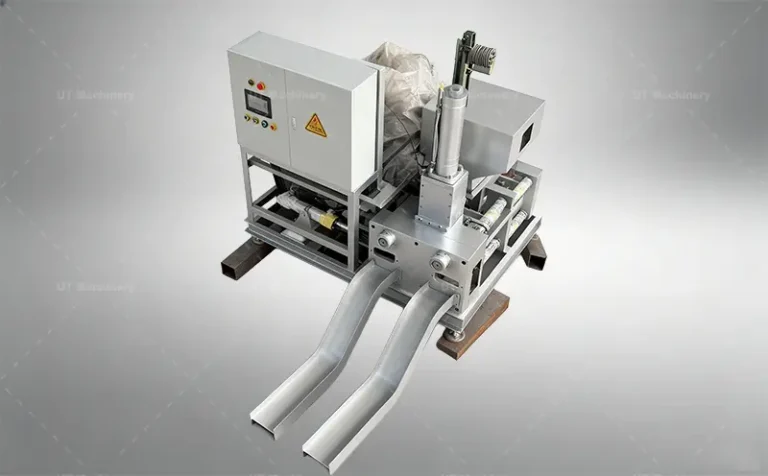
Dual Outlet Copper Chips Briquette Press

Challenges of Handling Loose Copper Chips in Machining Workshops In machining workshops, CNC Machining facilities, valve manufacturing plants, and automotive parts factories, large volumes of copper chips, copper swarf, and copper turnings are produced every day. Although copper scrap is valuable, handling loose material often creates unexpected costs for manufacturers. Loose machining swarf can quickly fill storage bins, contaminate the workshop with cutting fluid, and reduce the resale value of scrap copper. Many machining plants looking for a copper chip briquetting machine discover that managing loose metal swarf is far more expensive than expected. Common problems include: copper chips occupying excessive storage space cutting oil and cutting fluid trapped inside the material higher transportation costs for loose scrap lower scrap value due to oil contamination Over time, these factors reduce the real value of recyclable copper. For this reason, many machining plants begin searching for a Copper Chips Briquette Press or copper chip briquette press to improve copper chip recycling efficiency. The Hidden Cost of Copper Machining Scrap Copper chips generated during machining may look harmless, but they create several operational challenges. Bulky Scrap That Takes Up Valuable Space Loose copper swarf has very low bulk density. Even a moderate amount of machining waste can occupy large storage containers. Facilities producing copper components often find that scrap bins fill up quickly, requiring frequent scrap transport. Installing a copper chip briquetting machine can significantly reduce the volume of loose copper scrap. Cutting Fluid Loss During machining, copper chips absorb coolant, oil, and cutting fluid. Unpressed swarf can carry away up to 20% of its weight in expensive coolants. Our Copper Chips Briquette Press turns this waste into a liquid profit stream by recovering high-purity cutting oils for immediate reuse. Lower Scrap Market Value Scrap buyers prefer clean and dense copper material. Loose copper swarf or oily copper turnings are often discounted. Through copper scrap briquetting, loose material can be converted into dense copper briquettes that are easier for scrap yards to handle. Oxidation During Melting Loose copper turnings expose a large metal surface to air. This can increase oxidation during melting. Many smelters prefer feeding copper briquettes instead of loose machining swarf because they are denser and more stable. A Smarter Way to Recycle Copper Chips One widely used solution is copper swarf briquetting. A Copper Chips Briquette Press compresses loose copper chips, copper swarf, or copper powder into high-density briquettes through hydraulic pressure. During the briquetting process: loose copper swarf is compressed into solid briquettes trapped cutting oil and cutting fluid are squeezed out coolant and fluid can be collected and reused This process turns loose machining waste into dense copper briquettes that are easier to transport, store, and recycle. For many high-volume machine shops, installing a Copper Chips Briquette Press or copper chip briquetting machine is one of the most effective ways to improve copper chip recycling efficiency. Key Features of the Copper Chips Briquette Press High Pressure Briquetting The Copper Chips Briquette Press applies strong hydraulic pressure to compress loose copper swarf into dense briquettes. This greatly reduces the volume of machining scrap. Dual Discharge Structure The dual outlet design allows stable and continuous production. A copper chip briquetting machine with dual discharge can maintain consistent output when processing large quantities of copper turnings. Custom Briquette Size Briquette diameter and shape can be customized depending on furnace feeding requirements or scrap handling systems. Integrated Fluid Collection During briquetting, cutting oil and cutting fluid trapped in copper swarf are squeezed out. The liquid collection box integrated in the Copper Chips Durable Industrial Construction The machine frame and hydraulic system are designed for long-term industrial operation in machining workshops and recycling environments. Benefits for Copper Processing Plants 01 Recover Valuable Coolant The system squeezes cutting fluid from copper swarf, allowing coolant to be reused in machining processes. 02 Reduce Scrap Transport Costs Dense copper briquettes occupy far less space than loose swarf, improving storage and transportation efficiency. 03 Improve Scrap Handling Efficiency Copper briquettes are easier to store, stack, and transport compared with loose machining turnings. 04 Increase Scrap Value Simplifies reel loading/unloading, maximizesOverall Equipment Effectiveness (OEE). 05 Improve Workplace Cleanliness The machine helps reduce scattered swarf and oil leakage in machining workshops. Optional Copper Chip Recycling Line For facilities producing large quantities of copper machining waste, the briquetting machine can be integrated into a complete copper chip recycling line. A typical system may include: chip conveyor chip crusher or shredder chip centrifuge Hopper copper chip briquetting machine This system allows continuous processing of machining swarf automatically and improves overall recycling efficiency. Typical Applications The Copper Chips Briquetter is widely used in industries that generate copper machining scrap. Typical applications include: CNC machining workshops copper component manufacturing plants valve manufacturing facilities automotive parts factories non-ferrous metal processing plants scrap metal recycling facilities copper chip recycling operations These facilities often generate large volumes of copper swarf that can be efficiently recycled using a copper chip briquette press. FAQ Can copper chips be melted directly? Copper chips can be melted directly, but loose material is not always efficient for furnace feeding. Many smelters prefer compressed copper briquettes because they are easier to handle. Briquette size varies depending on Copper Swarf Briquetting Press configuration and furnace requirements. Can the machine process other metal chips? Yes. In addition to copper chips, the machine can process brass chips, aluminum chips, and other non-ferrous metal scraps. Do copper briquettes require binders? Most copper chip briquetting processes do not require binders. High hydraulic pressure via Copper Chips Briquette Press forms stable briquettes.

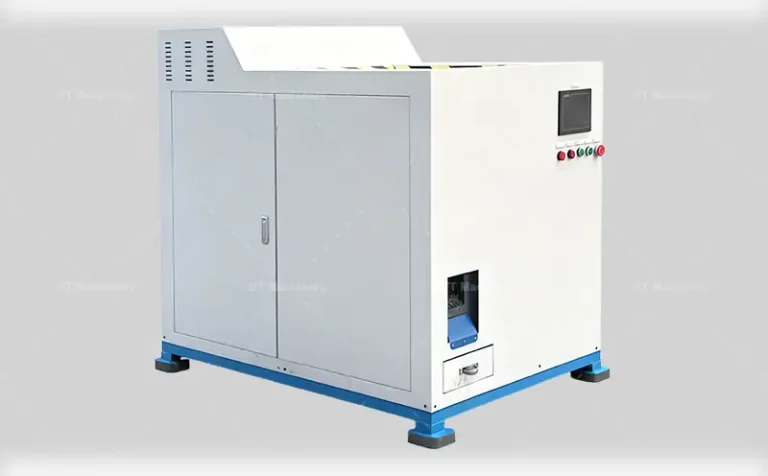
Aluminum Swarf Briquetting Press

An Aluminum Swarf Briquetting Press compresses loose chips into dense, uniform briquettes, recovering up to 95% of coolant while producing a consistent, high-value material ready for recycling. These systems are also commonly called industrial aluminum chip compactors.
Contact

GET AN EXPERT QUOTE

Share your raw material and capacity requirements — our engineering team will provide a tailored briquetting solution within 24 hours.