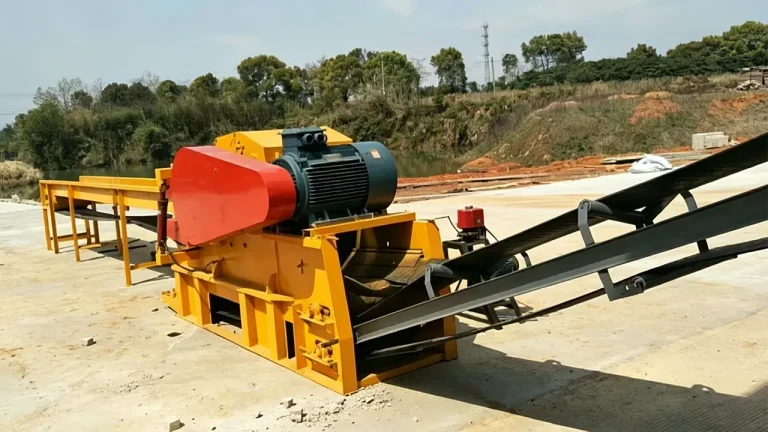
Industrial Drum Chipper Machine
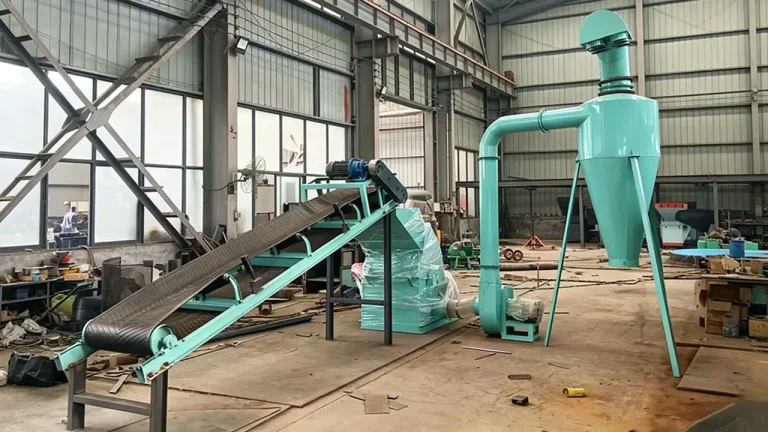
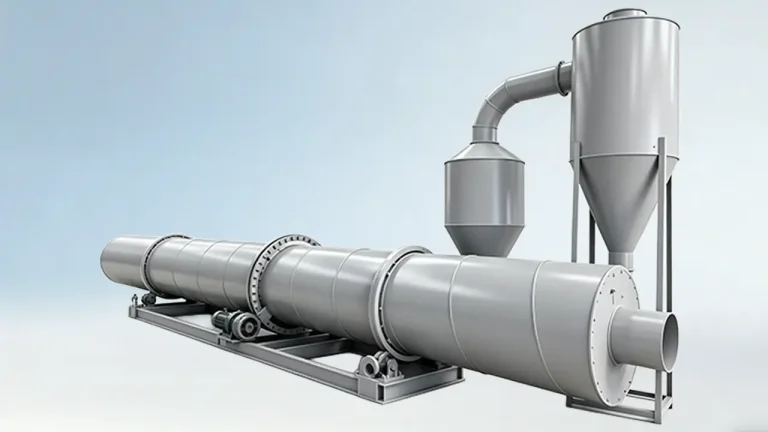
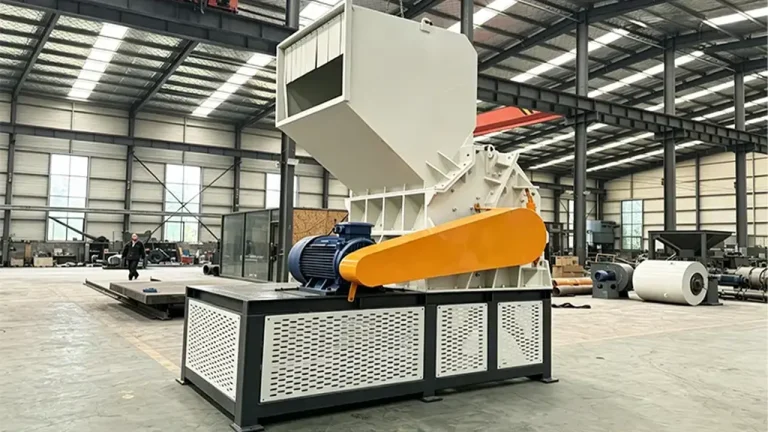
Industrial Drum Chipper Machine for Biomass Briquetting Lines Large-scale biomass briquetting plant requires a reliable and efficient first-stage size reduction process. UT Machinery designs and manufactures heavy-duty drum chipper machine engineered to process large-diameter logs, wood scraps, tree branches, and industrial pallets into uniform wood chips. Compared with conventional wood crushers, a dedicated drum chipper eliminates feeding bottlenecks caused by irregular raw materials and provides a stable, continuous material flow for downstream drying and fine grinding. The wood chips produced by a drum chipper are widely used as feedstock for biomass briquetting, wood pellet manufacturing, biomass boilers, and renewable energy applications. Consistent chip size, controlled moisture content, and uniform raw materials help improve processing efficiency and support the production of biomass fuels that meet internationally recognized quality requirements, such asISO 17225. Drum Chipper Machine Structural Design & Key Features 01 Heavy-Duty Hydraulic Feed and Chain Plate System Unlike standard gravity-fed or light-duty belt units, our wood drum chipper machines utilize a rugged chain plate infeed conveyor paired with a hydraulic upper feed roller. The teeth on the roller actively grip logs and irregular wood scrap, pulling them steadily into the cutting assembly without manual intervention or bridging. 02 Optimized Cutting Rotor & Knife System The heart of the machine is a precision-balanced steel drum rotor equipped with specialized fly-knives and stationary dead-knives (anvils). This design delivers a clean, shearing cut rather than a blunt impact, reducing overall power consumption per ton and ensuring high throughput even when processing dense hardwoods. 03 Direct Integration with Briquette Production Line We design these drum chippers as modular front-end components. Based on your plant’s footprint, we customize the discharge conveyor height and angle to feed directly into your rotary dryer or primary hammer mill buffer hopper, achieving an automated, continuous production workflow. How Does a Drum Chipper Machine Work? The drum chipper uses a continuous feeding and precision cutting process to achieve high-capacity wood size reduction. Typical workflow: Raw Logs & Wood Waste ↓ Chain Plate Conveyor Feeding ↓ Hydraulic Feed Roller Compression ↓ High-Speed Drum Rotor with Chipping Knives ↓ Uniform Wood Chips (30–50 mm) ↓ Rotary Dryer ↓ Hammer Mill ↓ Biomass Briquette Machine This automated workflow minimizes material blockage while ensuring a continuous supply of uniform chips for downstream processing. Drum Chipper Machine Build Specs & Engineering Data FeatureSpecification DetailsMachine Condition100% Brand New (UT Machinery Factory-Direct)Applicable MaterialsHardwood/Softwood Logs, Slab Waste, Tree Branches, Wooden Pallets, Veneer ScrapsFeeding MechanismMotorized Chain Plate Conveyor + Hydraulic Weighted Upper Feed RollerDrive SystemHigh-Efficiency Industrial Electric Motor / Heavy-Duty Diesel Engine OptionalOutput Chip Size30–50 mm (Regulated by built-in sizing screen)Control SystemPLC Automation Panel with Automated Reverse Jam Protection Drum Chipper vs. Wood Crusher FeatureDrum Wood ChipperWood CrusherPrimary FunctionProduces uniform wood chipsProduces smaller wood particlesSuitable MaterialsLogs, branches, palletsWood chips, offcuts, wasteProcessing MethodKnife shearingHammer crushingOutput Size30–50 mm5–20 mmTypical PositionFirst stageSecondary stagePower ConsumptionLowerHigher Factory Customization for International Projects Every biomass processing plant has distinct space and infrastructure requirements. We support your project with direct engineering integration: Workshop Layout Engineering: We adapt the conveyor configurations and physical layout based on your facility's CAD drawings to ensure smooth material handling. Electrical Configuration: Motors and control panels are wound and certified to match your local industrial power supply (such as 380V, 415V, or 440V at 50Hz/60Hz). Direct Technical Support: From initial foundation blueprints to remote commissioning guidance, you work directly with our factory engineering team. Contact UT Machinery today to get your exclusive customized solution. Frequently Asked Questions Q1: What is the difference between this wood drum chipper and a standard wood crusher? A1: A wood drum chipper uses precise shearing action via rotating knives to slice large logs and wood blocks into clean, flat chips (30-50mm), which is highly efficient for bulk primary reduction. A standard crusher or hammer mill relies on blunt hammers to shatter materials, which requires more power and is typically used for secondary fine grinding. Q2: Can the machine process wooden pallets that contain nails? A2: Yes, it can process standard industrial pallets. However, if your raw material consistently contains large amounts of scrap metal or heavy nails, we recommend installing a cross-belt magnetic separator on the discharge conveyor to protect downstream drying and briquetting equipment. Q3: How do we control and adjust the final output chip size? A3: The output size is primarily determined by two factors: the feeding speed of the hydraulic rollers relative to the rotor speed, and the mesh size of the built-in discharge screen located beneath the cutting drum. The screen ensures that oversized pieces are retained for re-chipping. Q4: What wear parts require regular maintenance? A4: The primary wear items are the chipping knives (fly-knives and counter-knives). These will require periodic sharpening depending on whether you are processing clean logs or dirty scrap wood. We supply complete maintenance kits and detailed guidelines for quick knife replacement to minimize downtime. Q5: What moisture content is recommended before chipping? Fresh wood with high moisture content can be chipped directly. However, if the chips are intended for biomass briquette or pellet production, they are typically dried to below 10–15% moisture before further grinding and densification.