If you run a sawmill, furniture factory, or wood processing plant, wood waste like sawdust, wood chips, and shavings can pile up fast. Not only do they take up space, but transporting them is costly.
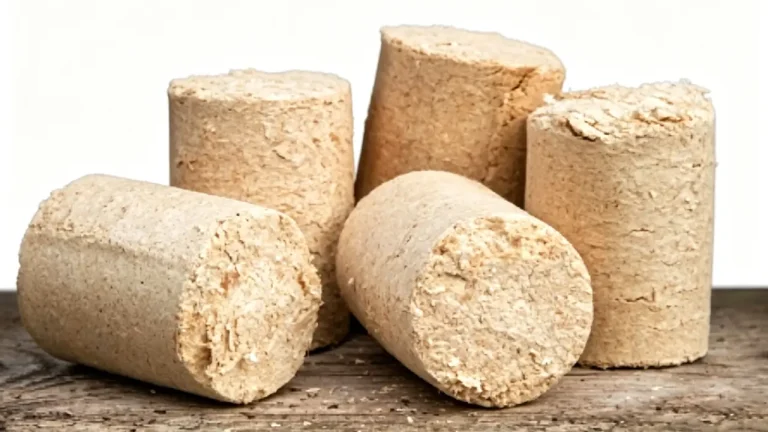
A wood briquette press turns this “waste” into high-density briquettes or logs, ready for sale or use as fuel. But with many options on the market—from mechanical to hydraulic—how do you select the right one for your needs?
Here’s a step-by-step guide to make the best investment for your wood waste management and biomass recycling goals.
1. Analyze Your Raw Material
- Hardwood vs. Softwood: Hardwood requires higher pressure for bonding.
- Particle Size: Material should be under 5mm. Large chunks or long shavings need a crusher or hammer mill first.
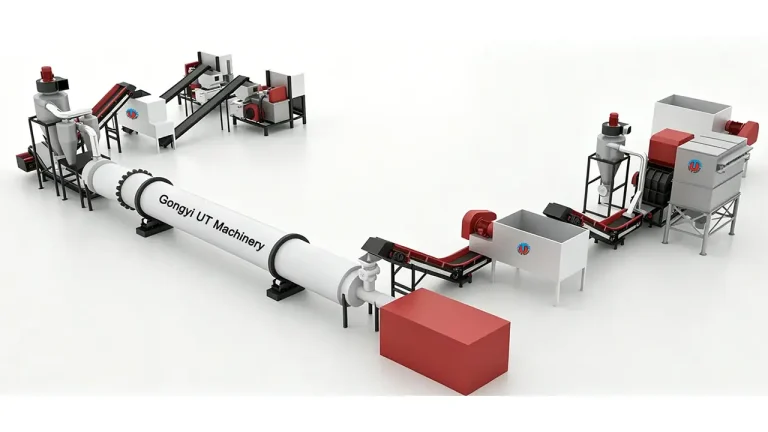
- Moisture Content: Optimal moisture is 8–12%. If wood is green or wet, include a dryer in your production line.
UT Tip: Proper analysis reduces machine wear and ensures uniform sawdust briquette machine quality.
2. Determine Your Required Capacity
- Small Scale (50–200 kg/h): Perfect for workshops or self-use heating.
- Industrial Scale (500 kg/h – 2 tons/h): Required for commercial biomass fuel plants.
UT Tip: Choose a machine with about 20% higher capacity than your current output to allow for growth.
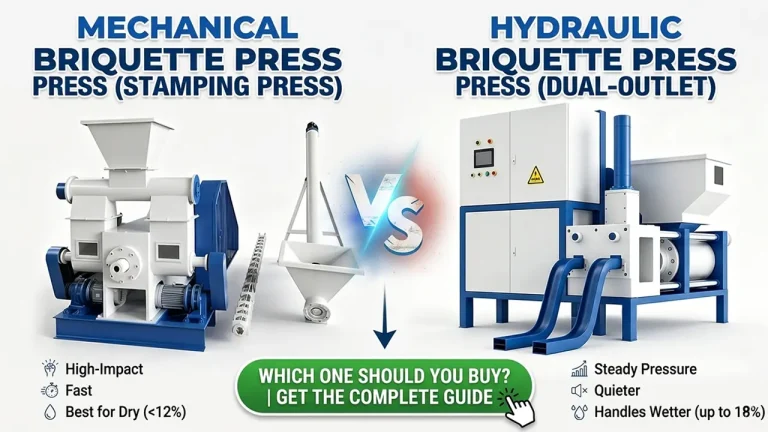
3. Mechanical vs. Hydraulic Briquette Press
- Mechanical Stamping Press: High-volume, continuous production; produces hard briquettes ideal for long-distance transport.
- Hydraulic Briquette Press: Flexible briquette shapes, quieter operation, perfect for uniform, high-quality logs.
Tip: For industrial applications, an industrial briquette press often provides better long-term ROI.
Read More: Still undecided between mechanical and hydraulic? Check out our detailed comparison: [Mechanical vs. Hydraulic Briquette Press: Which One is Right for Your Factory?] to find the most cost-effective solution for your specific project.
4. Check the Durability of Wearing Parts
- What is the lifespan of molds and screws?
- How easy is it to replace heating elements?
- Are the parts UT-Verified for reliability?
Durable components reduce downtime and maintenance costs.
5. Calculate Your ROI (Return on Investment)
- Volume Reduction: Briquetting reduces waste by up to 10:1, cutting storage and transport costs.
- Market Value: High-density biomass briquettes are in demand as eco-friendly alternatives to coal.
- Energy Savings: Efficient machines reduce electricity consumption per ton of briquettes.
Conclusion: Make the Right Choice
Choosing a wood briquette press requires balancing your material type, production goals, and budget. At UT Machinery, we provide customized biomass recycling solutions based on 15 years of industry experience.
Ready to turn your wood waste into profit?
Contact our technical team today to schedule a free material test and get a personalized equipment layout. Start converting sawdust and wood chips into high-value briquettes immediately.