Auxiliary Equipment
Industrial Metal Crusher
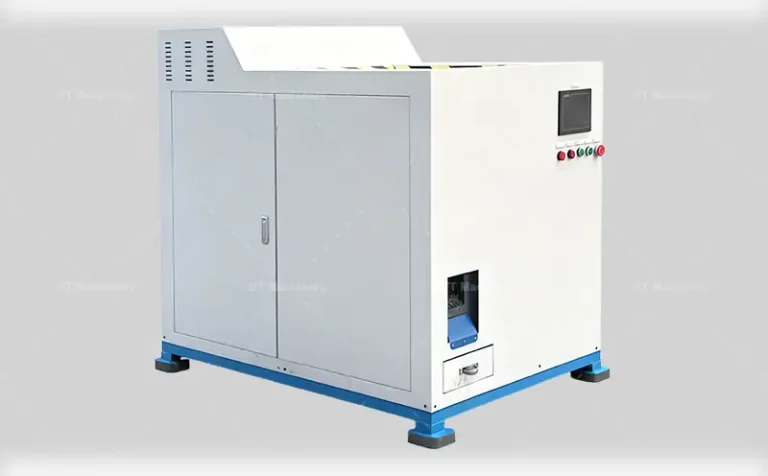
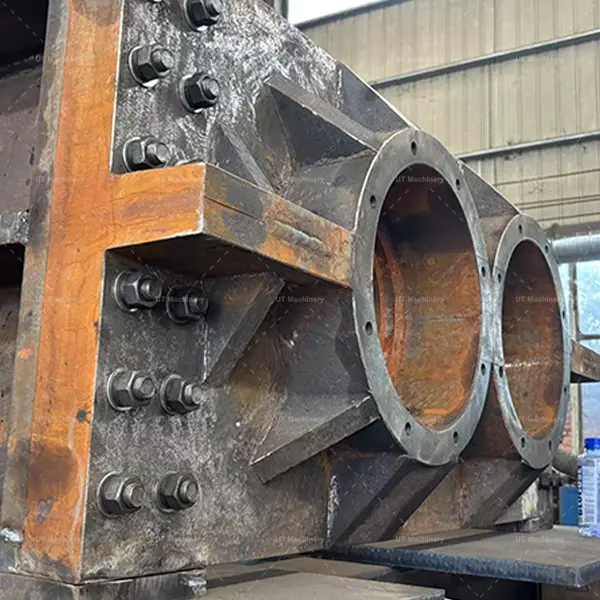
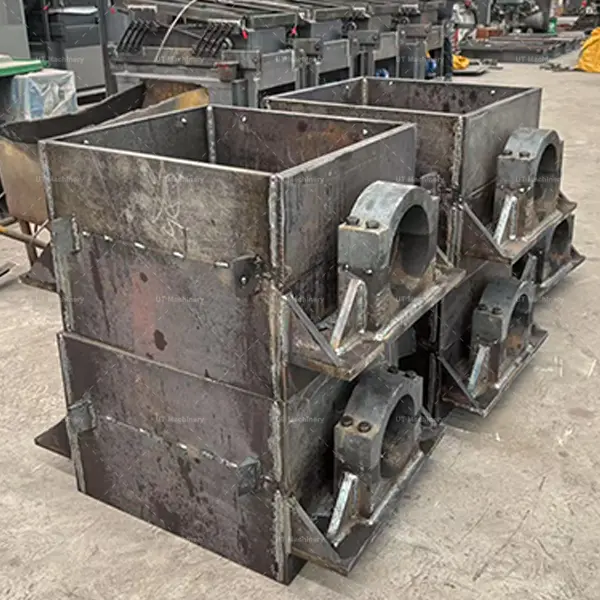
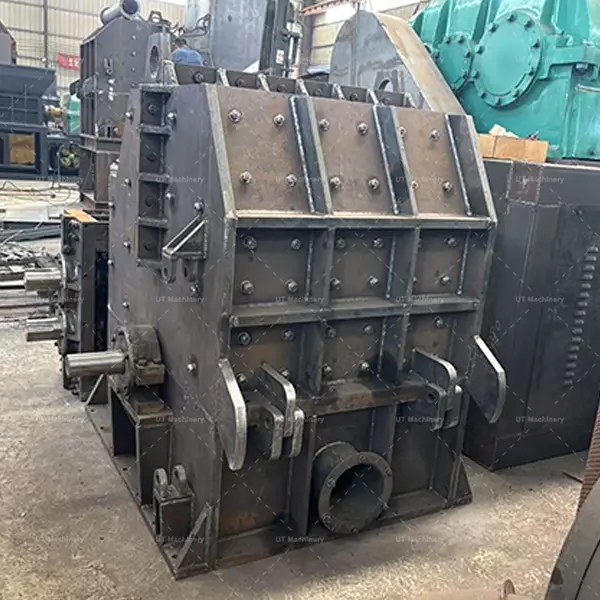
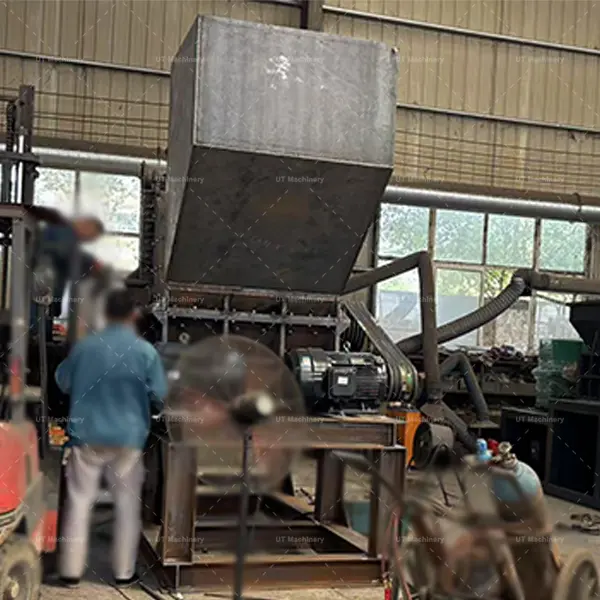
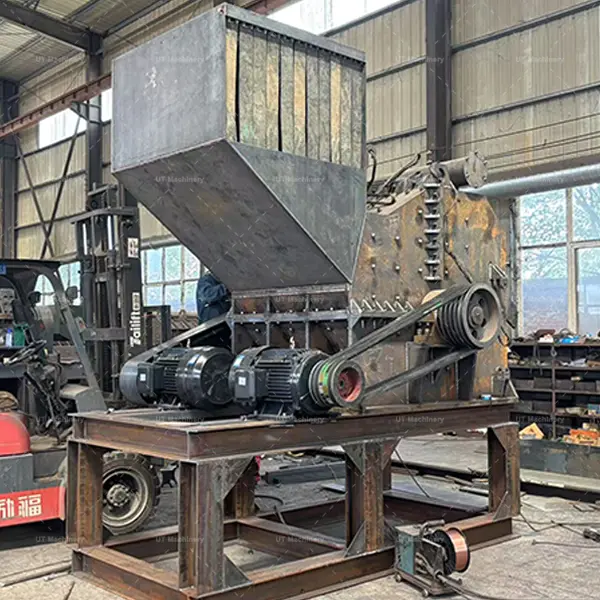
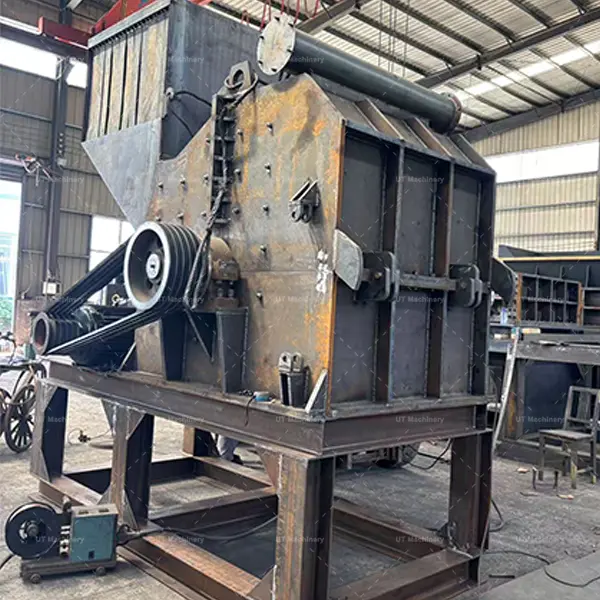
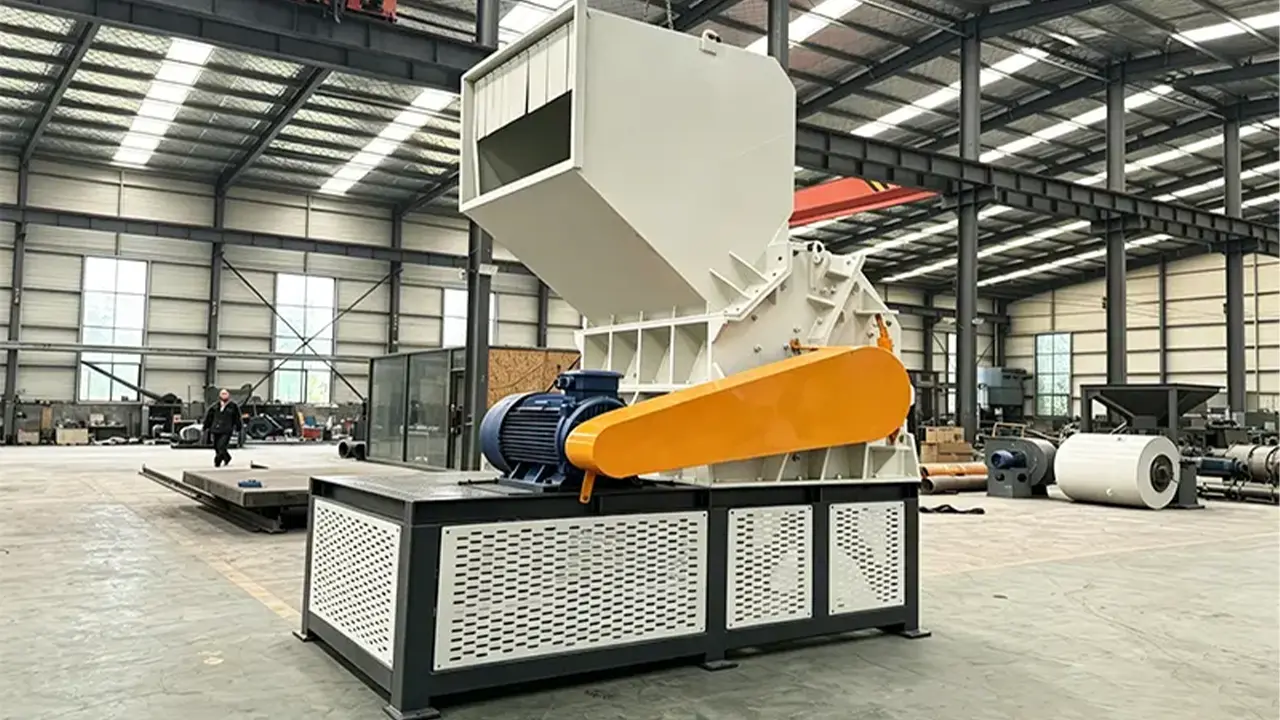
The Industrial Metal Crusher is a heavy-duty pre-processing machine designed to reduce long metal turnings, aluminum swarf, copper chips, and other machining scrap into uniform particles before dewatering or briquetting. Using a low-speed, high-torque dual-shaft shearing system, it improves material handling, prevents feeding blockages, and supports stable operation throughout automated metal recycling lines. It is widely used by metal recycling companies, machining workshops, steel service centers, and manufacturers operating hydraulic metal briquetting systems.
- Processes steel, cast iron, aluminum, copper, brass, and other metal machining scrap.
- Produces uniform granules for efficient conveying, dewatering, and briquetting.
- Integrates with conveyors, centrifugal dryers, and hydraulic briquetting presses.
- Available in multiple capacities to match different production requirements.
Product Overview
Long, tangled metal scrap such as steel turnings, aluminum swarf, and copper chips occupies valuable storage space and often causes feeding problems in briquetting systems.
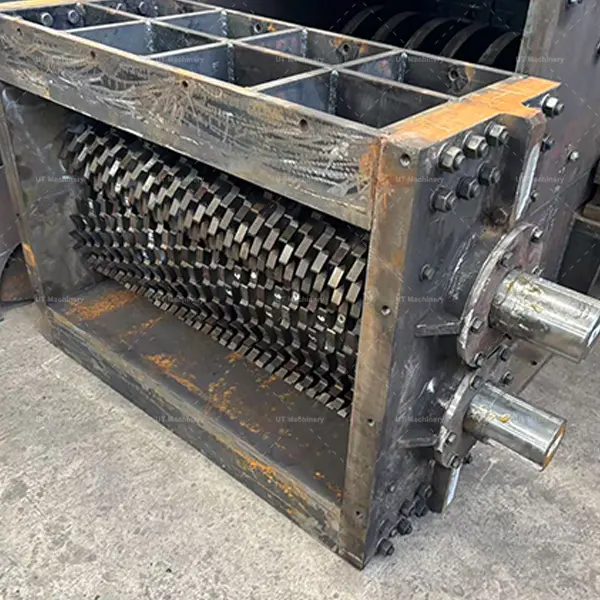
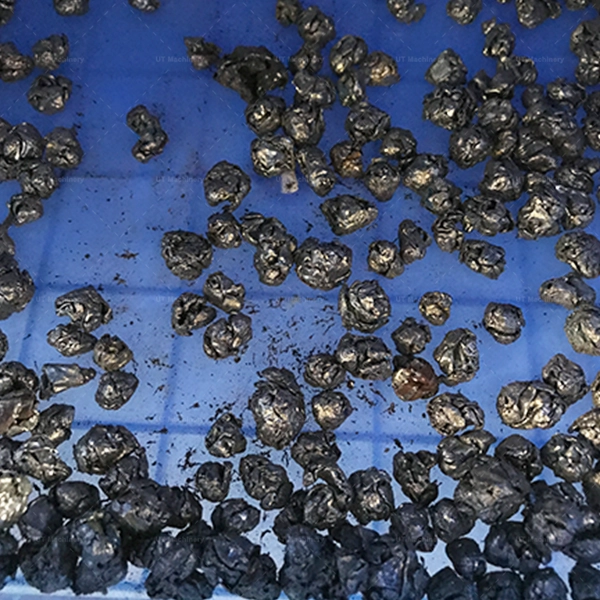
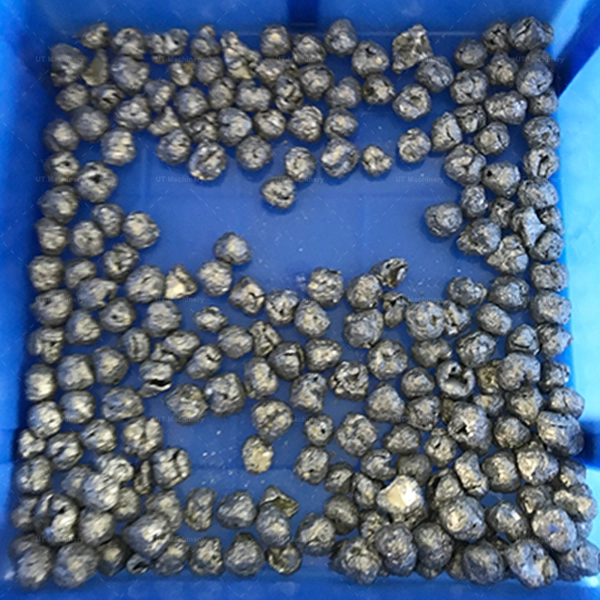
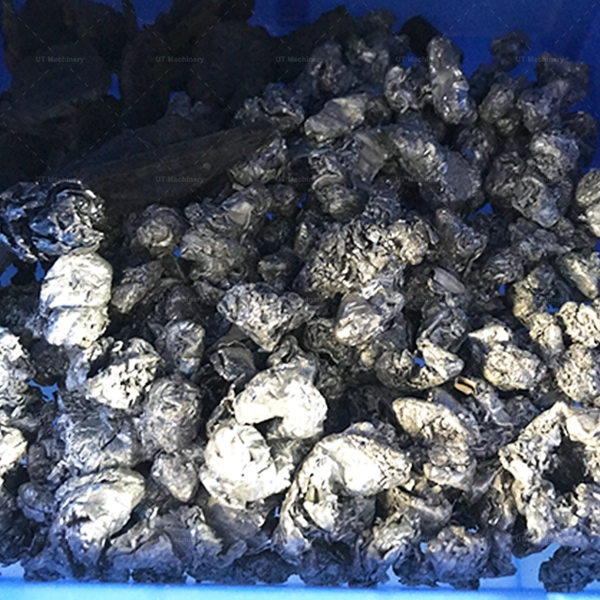
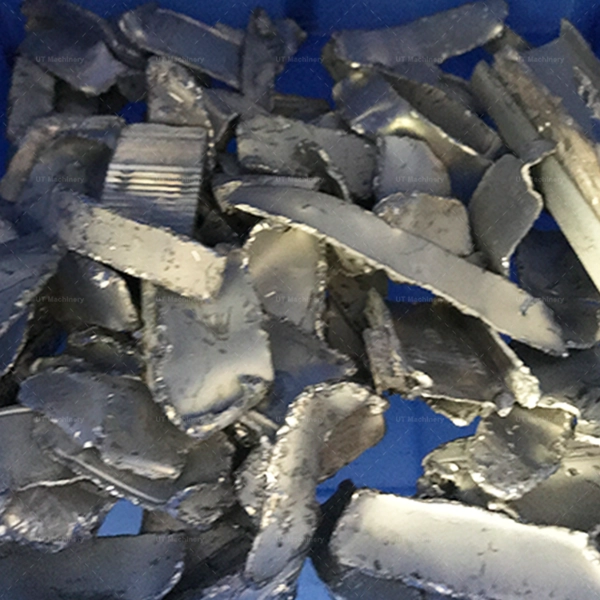
The Industrial Metal Crusher is designed to reduce oversized metal scrap into uniform granules before briquetting. Using a low-speed, high-torque dual-shaft shearing system, it processes continuous machining waste into particles typically ranging from 10–50 mm, creating a consistent feedstock for downstream equipment.
Suitable for steel, cast iron, aluminum, copper, and brass machining scrap, the crusher helps improve material handling, stabilize production, and increase briquette density in automated metal recycling lines.
What Materials Can the Industrial Metal Crusher Process?
Instead of manually cutting or handling bulky machining waste, the crusher automatically processes a wide variety of metal scrap generated during turning, milling, drilling, and machining operations.
Suitable materials include:
- Long steel turnings
- Bird-nest steel swarf
- Cast iron borings
- Aluminum swarf and shavings
- Copper chips
- Brass turnings
- Wet metal chips containing cutting oil
- Mixed machining scrap
Not recommended for:
- Solid metal blocks
- Heavy structural steel
- Thick steel plates over 10 mm
- Large forgings or castings
Why Crush Metal Scrap Before Briquetting?
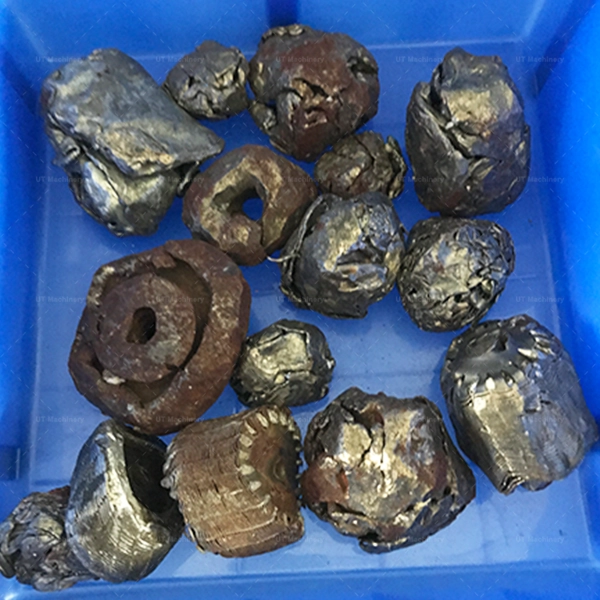
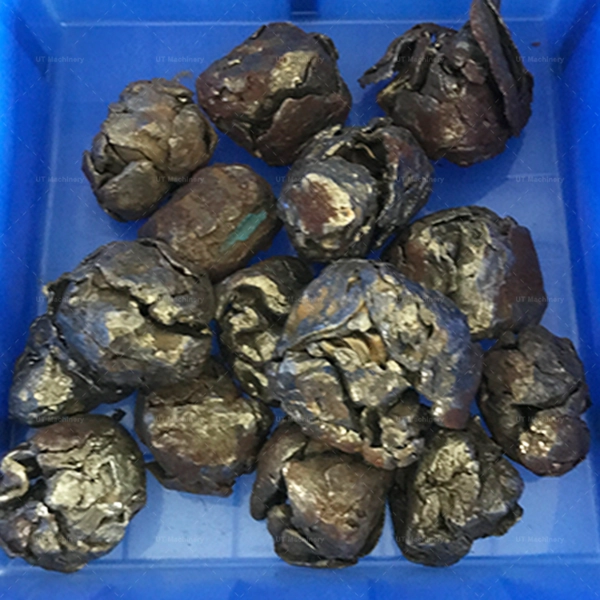
Long metal turnings frequently bridge inside hoppers, wrap around feeding mechanisms, and interrupt continuous production.
After crushing, uniformly sized particles offer several operational advantages:
| Without Crushing | After Crushing |
|---|---|
| Tangled metal swarf | Uniform 10–50 mm granules |
| Frequent hopper bridging | Smooth material flow |
| Irregular feeding | Stable automatic feeding |
| Lower briquette density | Higher compaction efficiency |
| More operator intervention | Continuous automated operation |
How the Crusher Fits into a Briquetting Line
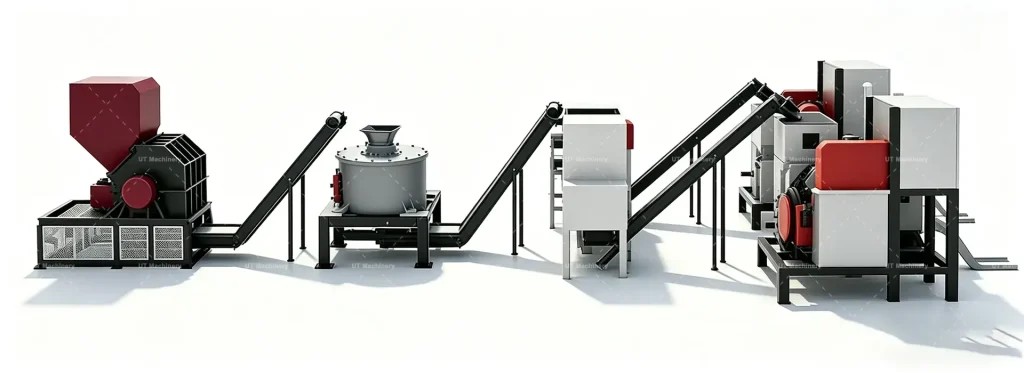
The Industrial Metal Crusher serves as the first processing stage in an automated metal briquetting system.
Typical production flow:
Metal Scrap → Industrial Metal Crusher → Belt Conveyor → Centrifugal Dewatering Machine → Hydraulic Briquetting Press → Finished Metal Briquettes

Uniform particle size improves conveyor efficiency, increases oil recovery during centrifugal drying, and allows the briquetting press to produce denser, more consistent briquettes.
Key Engineering Features
Technical Specifications
| Item | Specification |
|---|---|
| Capacity | 0.5–5.0 T/H (Customizable) |
| Output Size | 10–50 mm |
| Blade Material | D2 / SKD-11 Alloy Steel |
| Blade Hardness | HRC 58–62 |
| Crushing Principle | Dual-Shaft Shearing |
| Motor Power | 15–75 kW |
| Control System | Siemens PLC(Customizable) |
| Integration | Belt Conveyor / Bucket Elevator |
Integration with Automated Recycling Systems
The crusher can be integrated with complete metal chip recycling lines, including:
- Belt conveyor systems
- Screw conveyors
- Centrifugal dewatering machines
- Hydraulic metal briquetting presses
- Finished briquette conveying systems
Each production line can be configured according to the customer’s material type, required capacity, and factory layout.
Material Testing & Line Design Support
Not sure whether your machining scrap is suitable for crushing?
Send us a sample of your material for evaluation.
Our engineering team can provide:
- Crushing test videos using your own material
- Recommended particle size
- Equipment capacity recommendations
- Customized briquetting line layout
- Factory layout suggestions
Request a Quote
Tell us your material type, hourly capacity, and production requirements.
Our engineers will recommend a suitable Industrial Metal Crusher configuration and provide a customized quotation together with a complete briquetting line proposal.
Frequently Asked Questions
What output size can the Industrial Metal Crusher produce?
Typical particle size ranges from 10–50 mm, depending on blade configuration and screen design.
Can it process oily metal chips?
Yes. Wet machining scrap containing cutting oil can be processed directly before centrifugal dewatering and briquetting.
What materials can be crushed?
Steel, cast iron, aluminum, copper, brass, stainless steel machining chips, and similar metal swarf.
Can the crusher be integrated into an existing briquetting line?
Yes. The machine can be connected with conveyors, dewatering systems, and hydraulic briquetting presses to form a complete automated recycling system.